By the mid-1930s, Renato Birolli had grown close to Salvatore Quasimodo and the Hermetic poets. “They changed my way of dreaming reality,” he would later recall in his Taccuini. 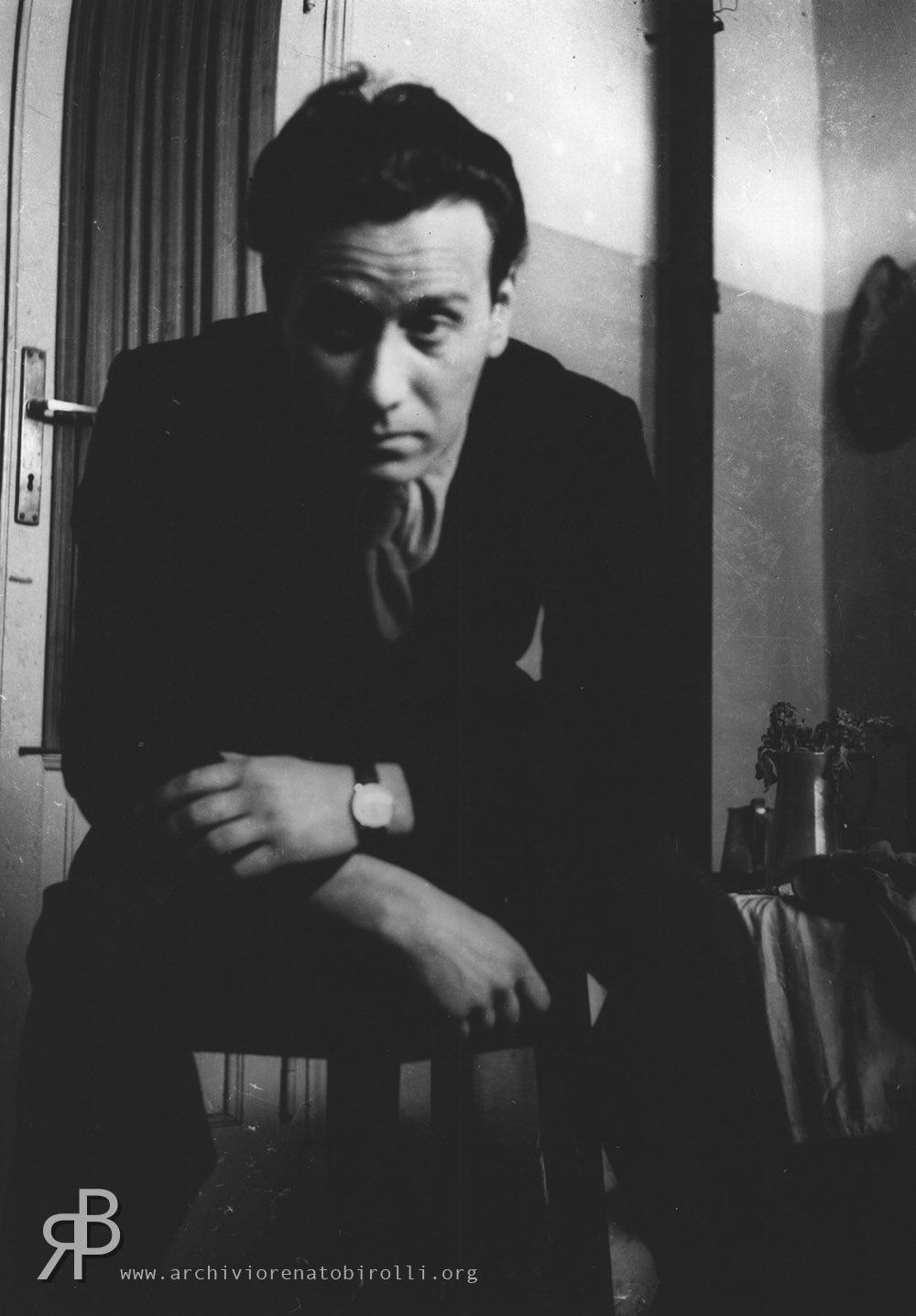
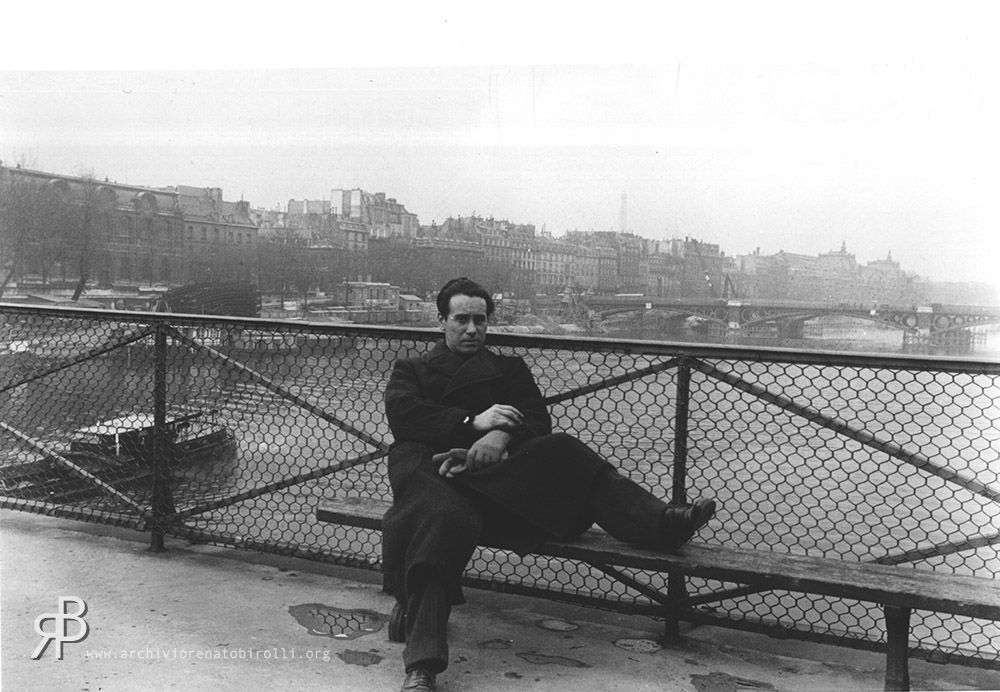
In 1936, he travelled to Paris for the first time, where he met Lionello Venturi, then living in exile, and studied the work of Corot, Manet, Delacroix, Braque, Renoir, Matisse, Van Gogh and Cézanne.
The same period saw the development of an important intellectual friendship with the critic Sandro Bini, who in 1937 wrote the introduction to the 46 disegni delle Metamorfosi, published by Campografico. Birolli was arrested for political reasons and subsequently dismissed from his position at L’Ambrosiano.
In 1938, he married Rosa Rossi, known as Rò, with whom he had two sons, Zeno and Marco.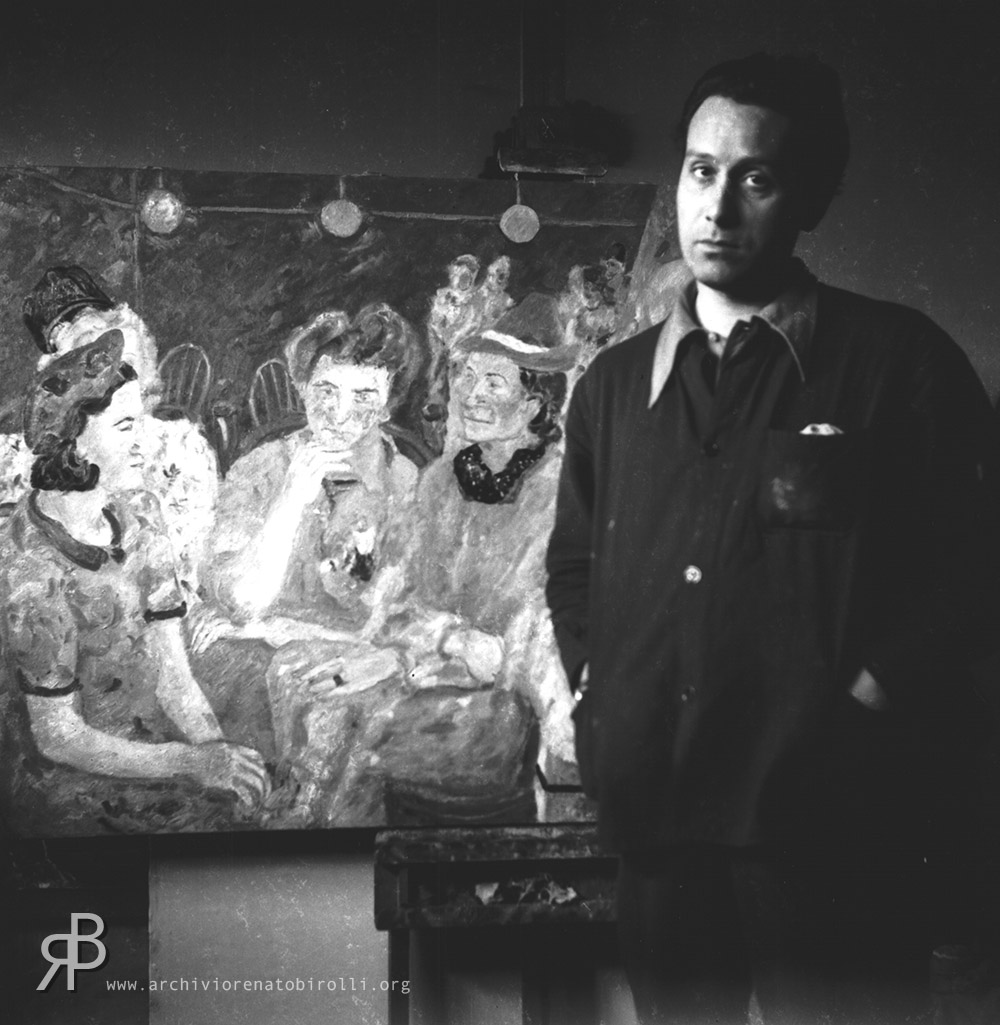
During the same period, Renato Birolli was among the founders of the group and journal “Corrente”, formerly Vita Giovanile, a “monthly review of art, literature and politics” founded by Ernesto Treccani on 1st January 1938 with a programme of intellectual renewal and a commitment to opening Italian art more fully to European culture. 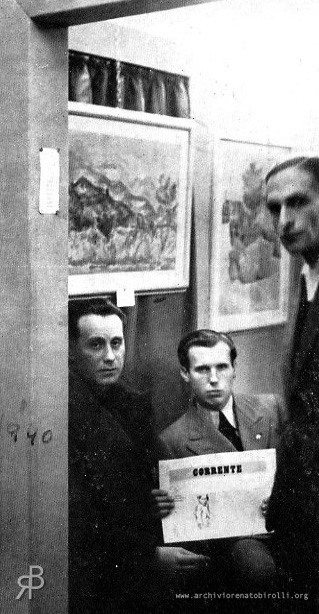
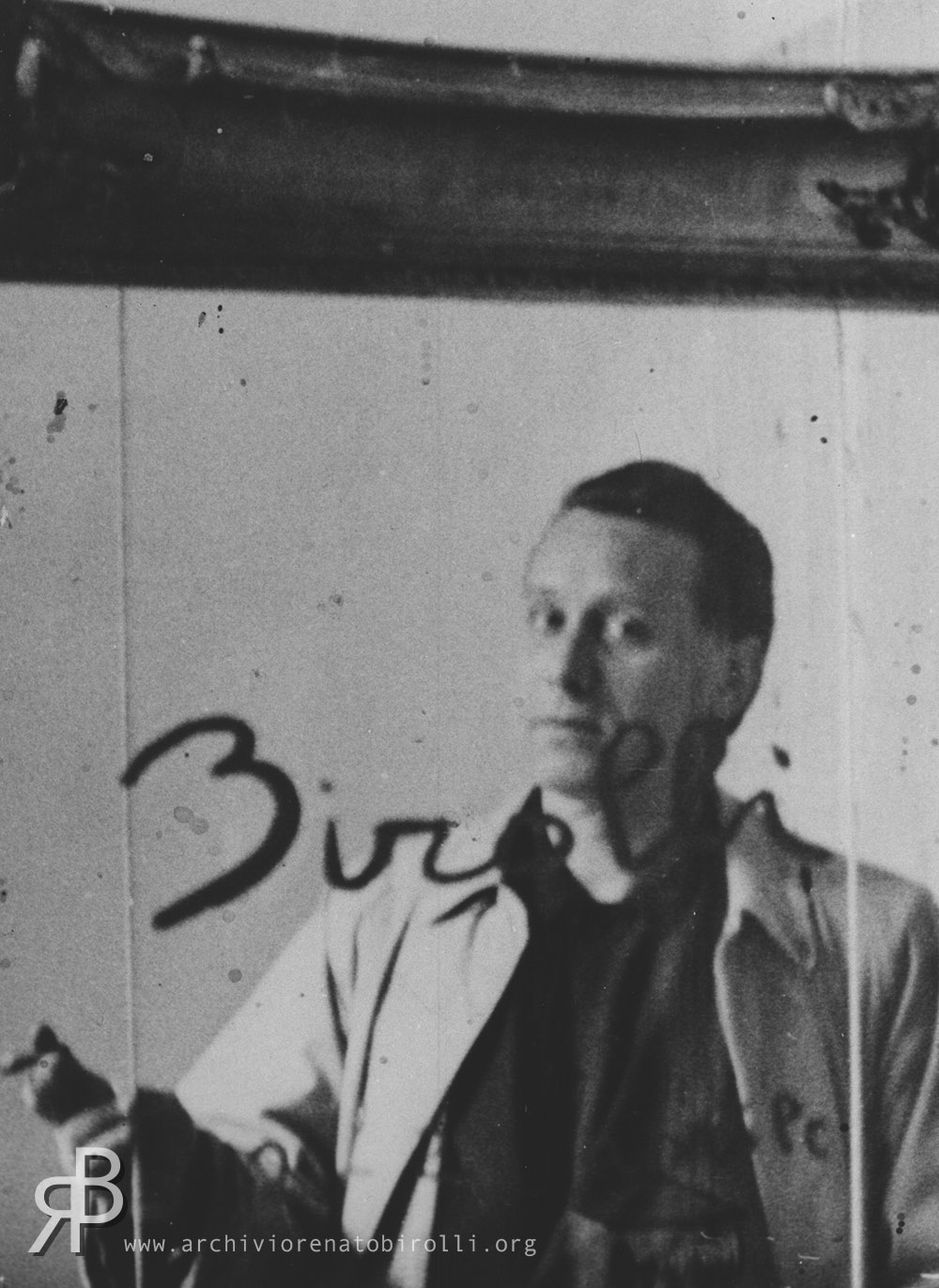
The journal, published from 10 January 1938 to 31 May 1940, was suppressed in June 1940 by the Fascist authorities. Corrente nevertheless continued its activities, thanks in part to the support of the collector Alberto della Ragione, through the Bottega di Corrente gallery, which opened in December 1939 with a solo exhibition devoted to Birolli, held from 12 to 24 December.
Birolli contributed numerous articles to Corrente, including a series of writings devoted to the city and Aspetti non privati dell’artista (“Non-Private Aspects of the Artist”), published on 31 May 1940.
In 1940, he was awarded second prize at the Premio Bergamo. The following year, he spent time in Valpolicella and became the subject of his first monograph, written by Sandro Bini and published by the Corrente press.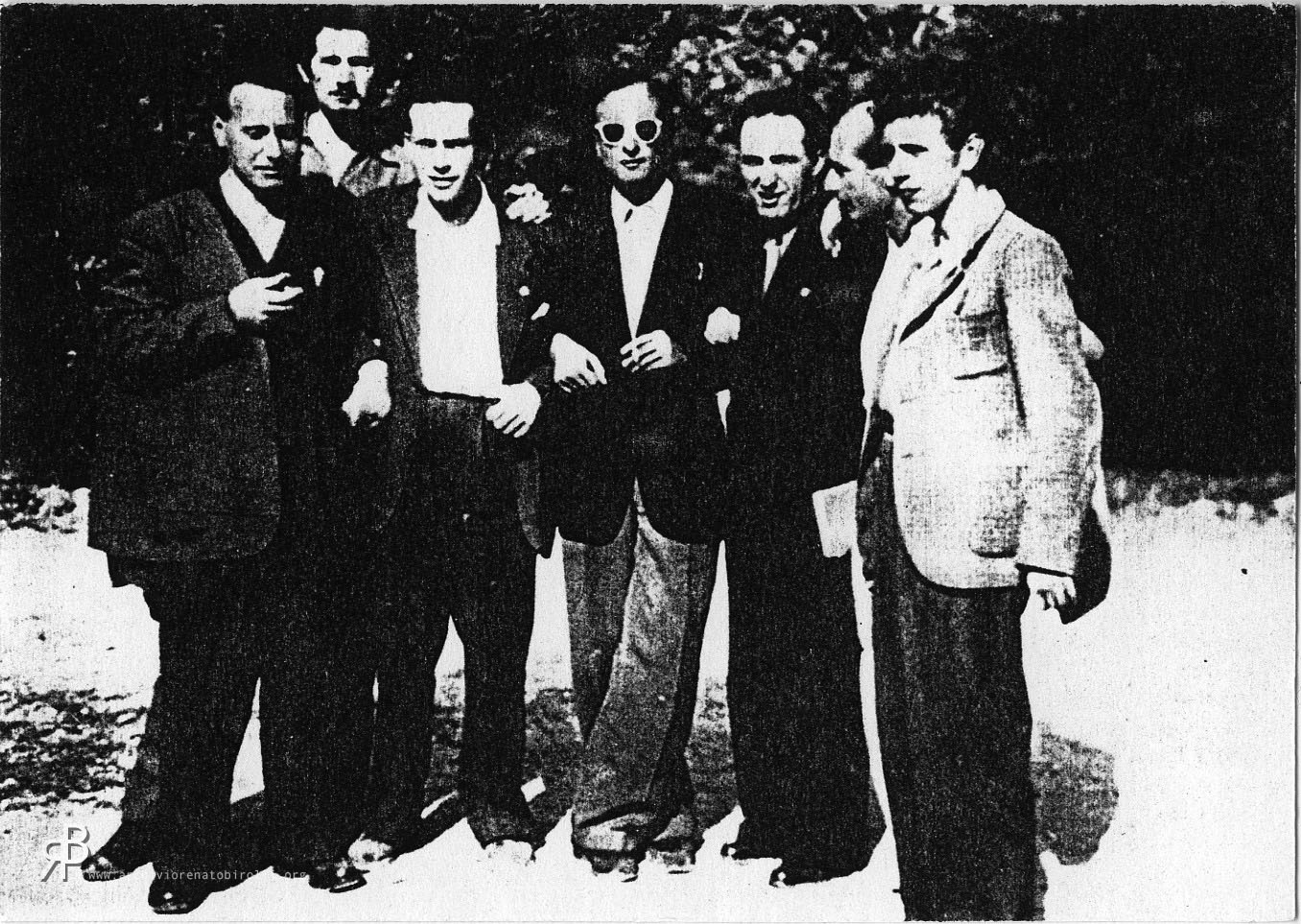
In 1942, Birolli exhibited an extensive selection of works at the XXIII Venice Biennale, held from June to September, and presented a solo exhibition at the Galleria della Spiga, formerly the Bottega di Corrente, accompanied by an introductory text by Salvatore Quasimodo.