
 Enthusiastically received by critics and the press, the abstract works of this final period earned him the Premio La Spezia, the third prize at the Carnegie Institute in Pittsburgh, and the Premio Lissone. In 1956, he spent the summer in Tellaro and travelled to Germany for the first time.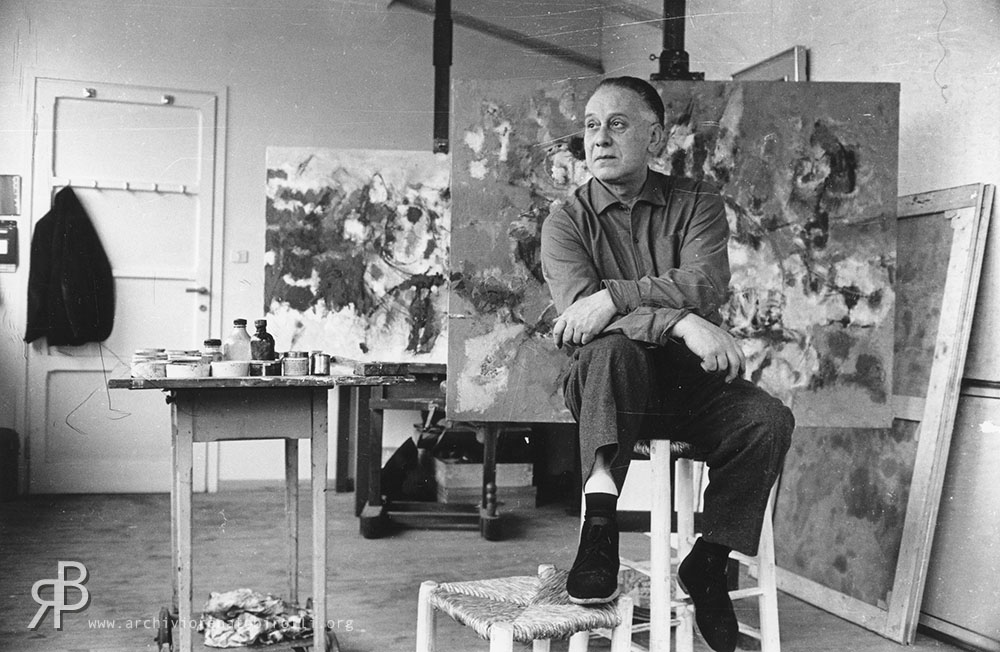
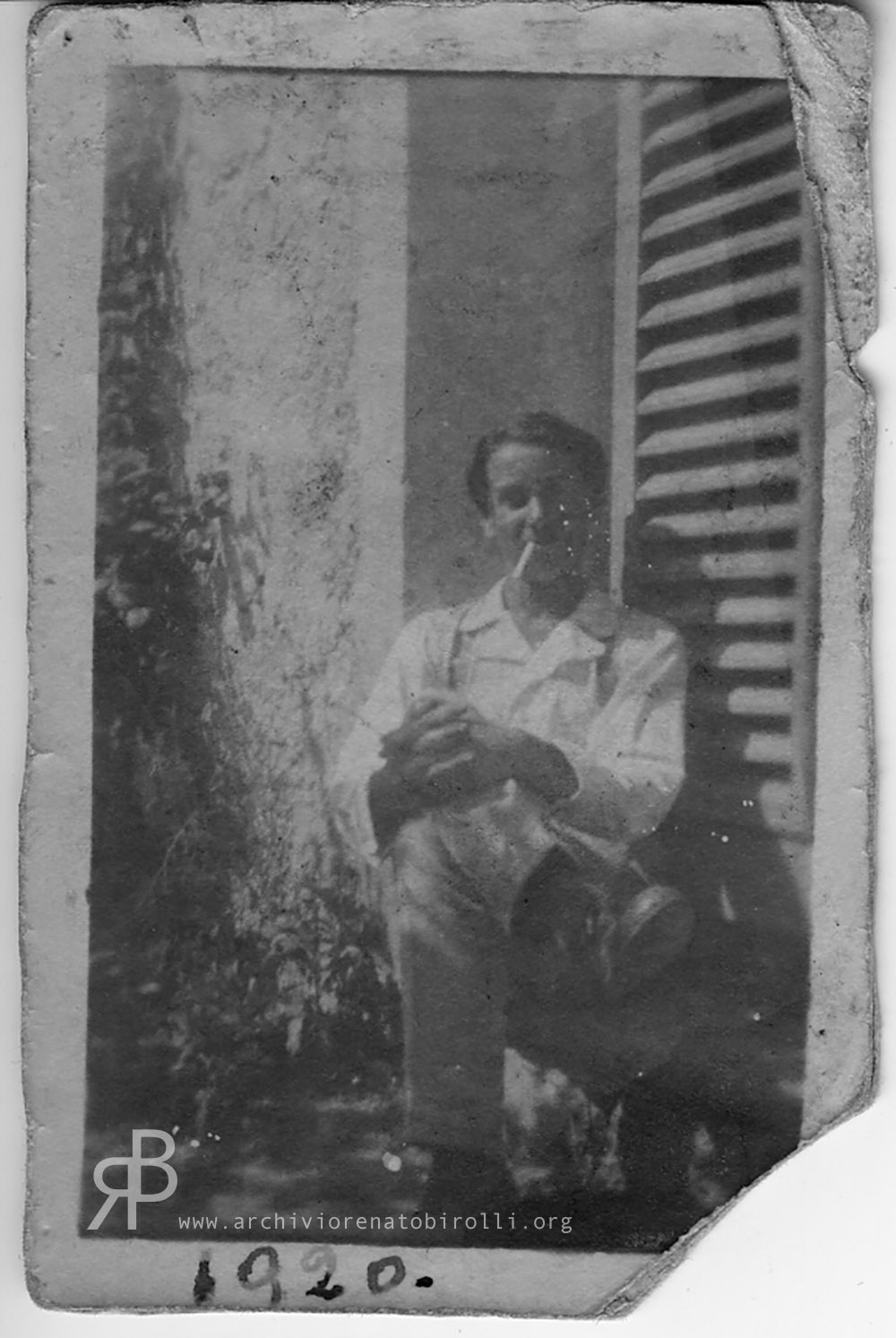
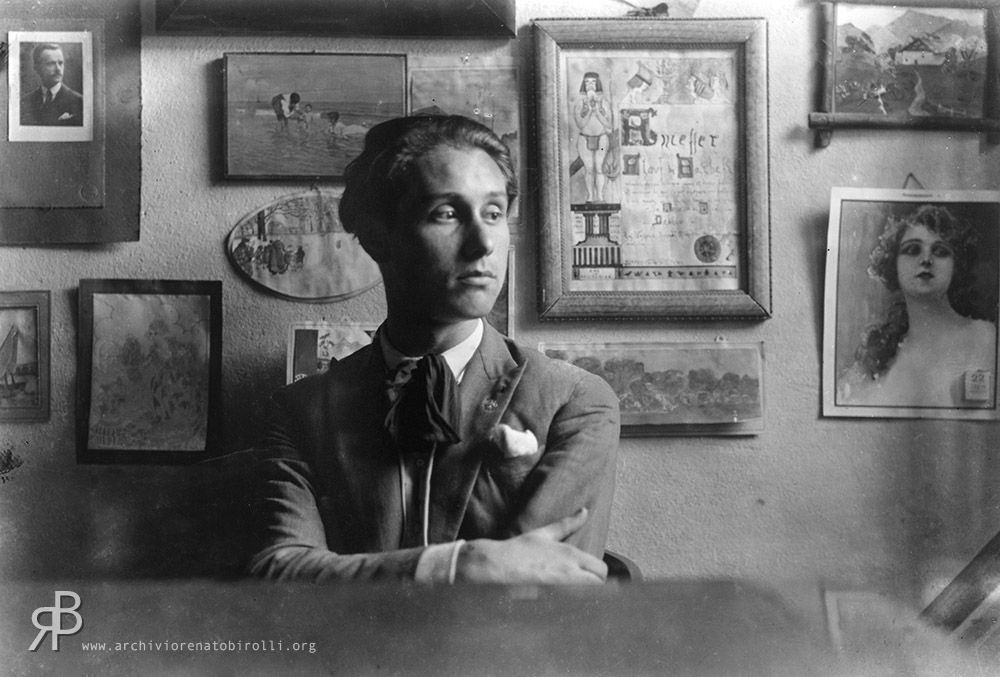
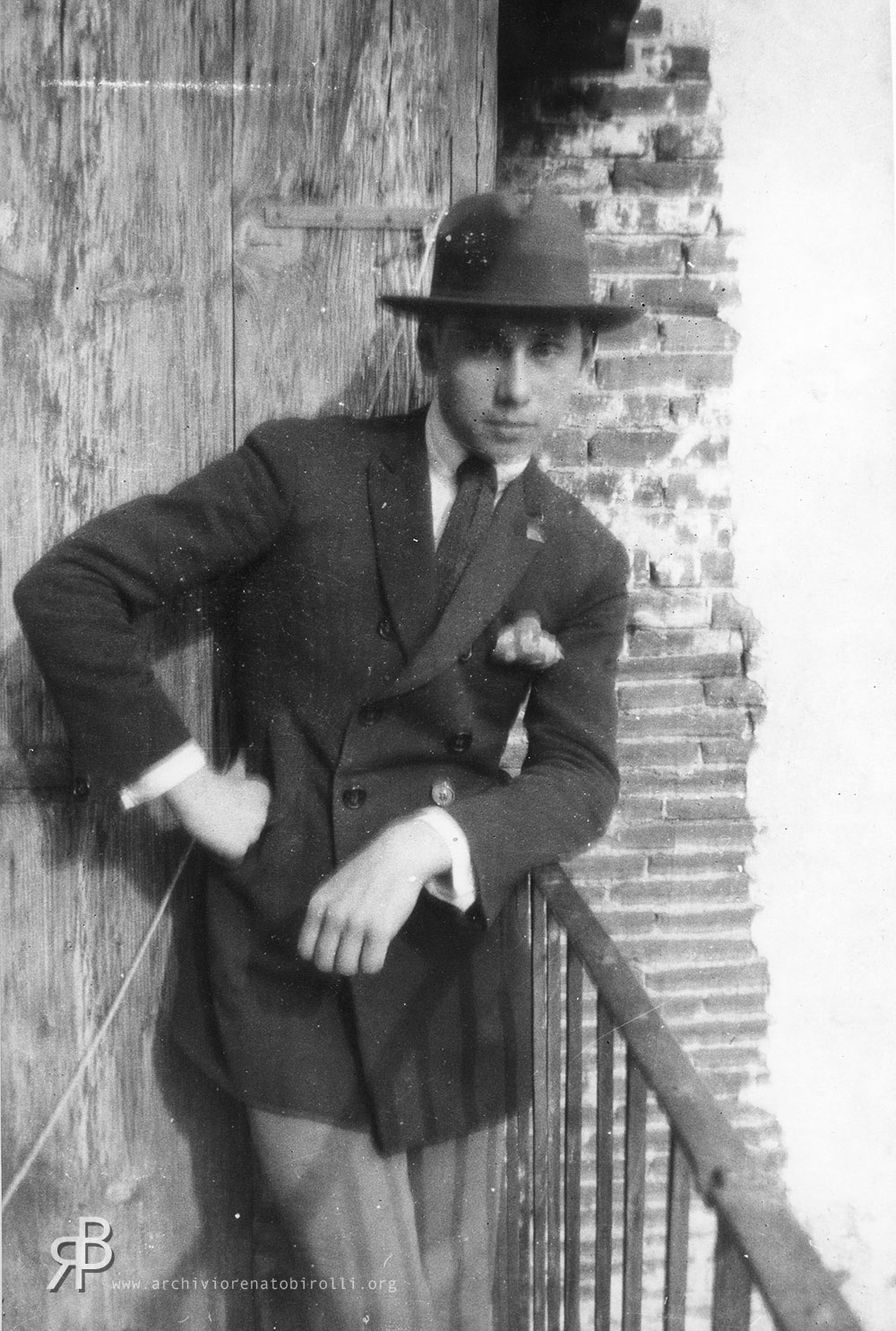
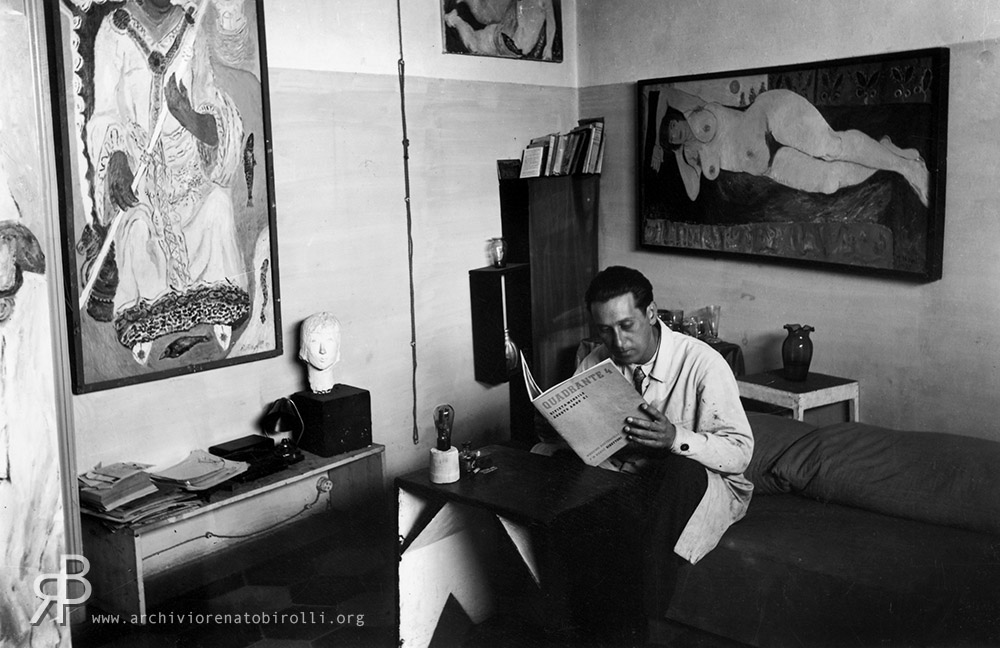
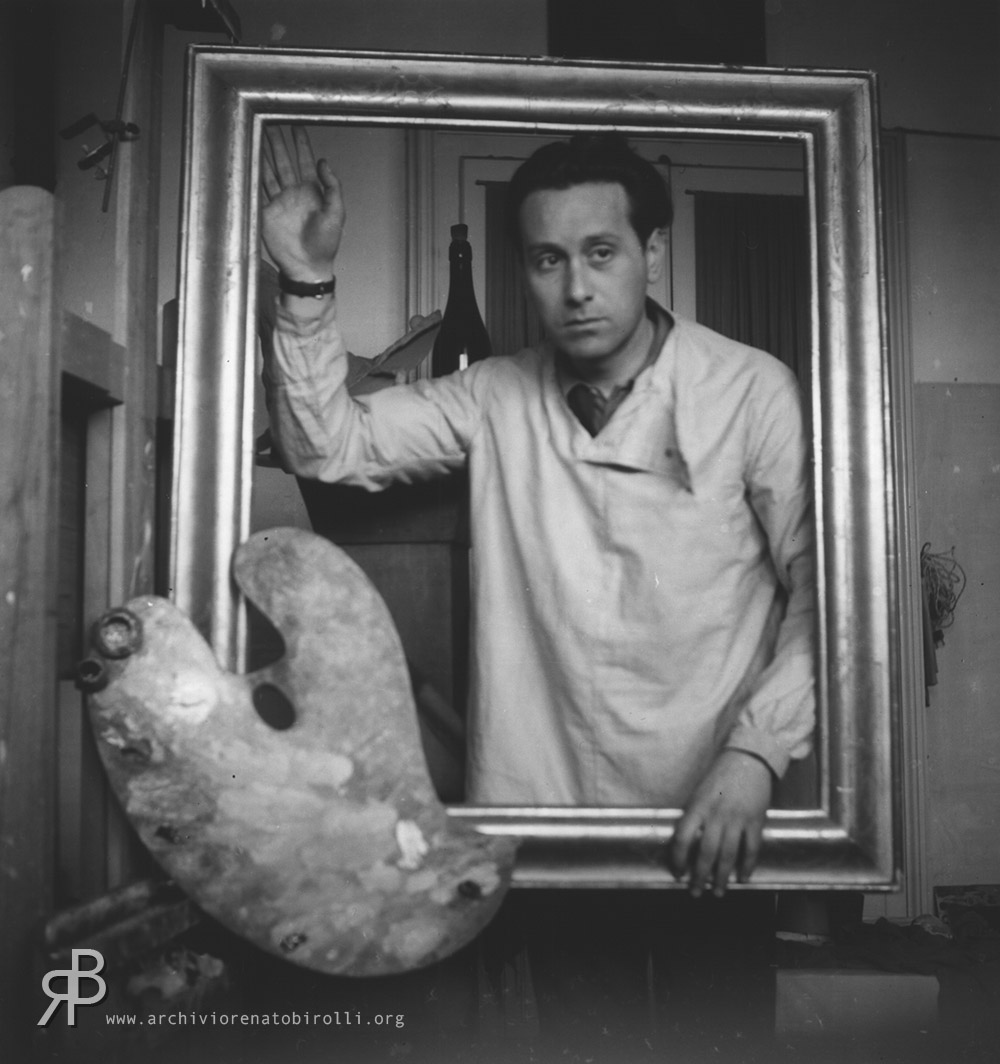
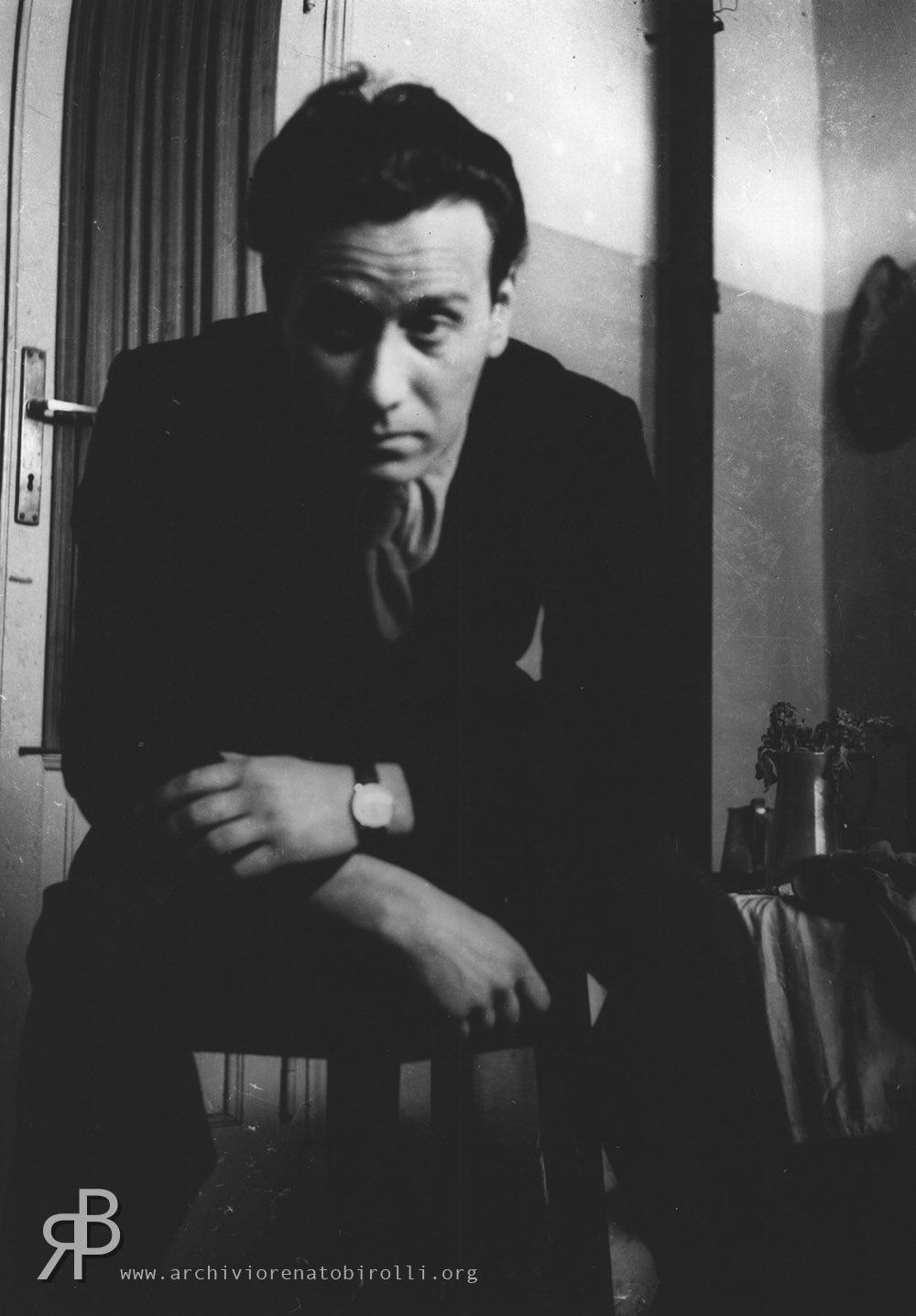
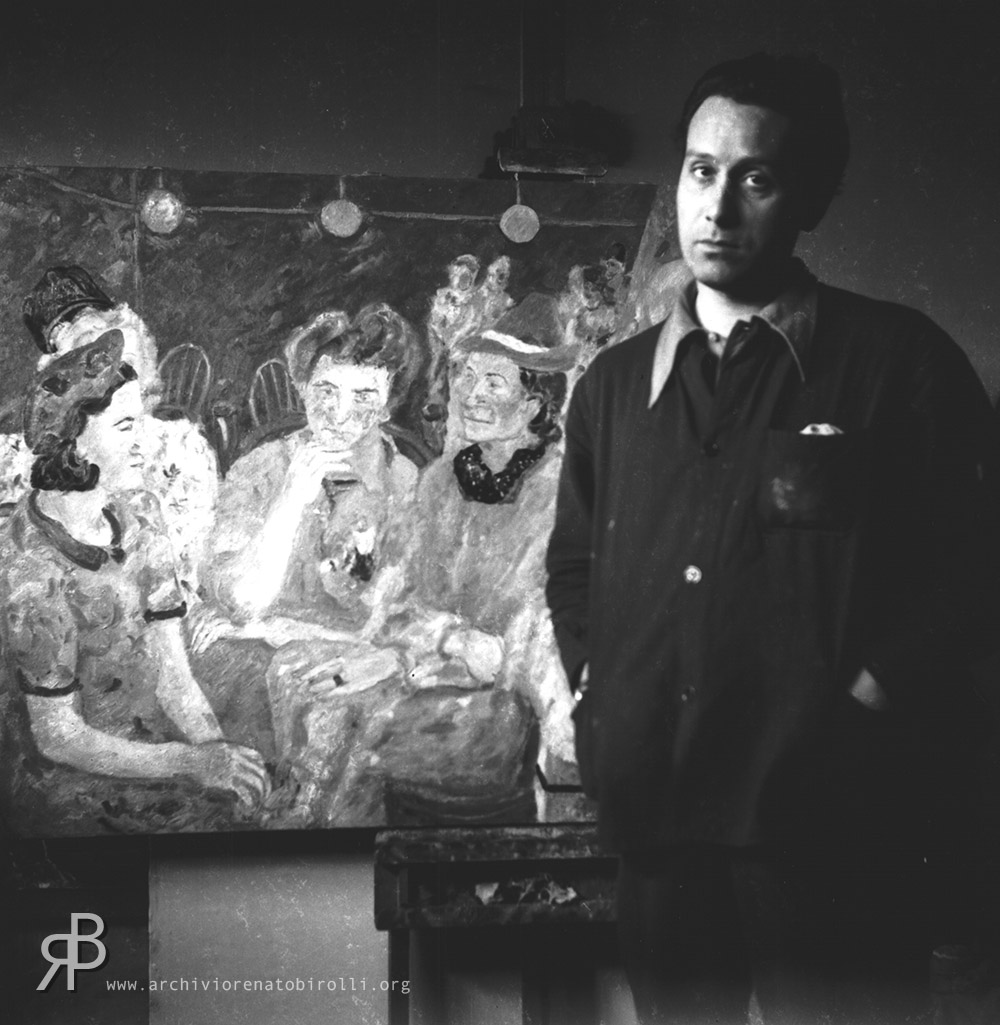
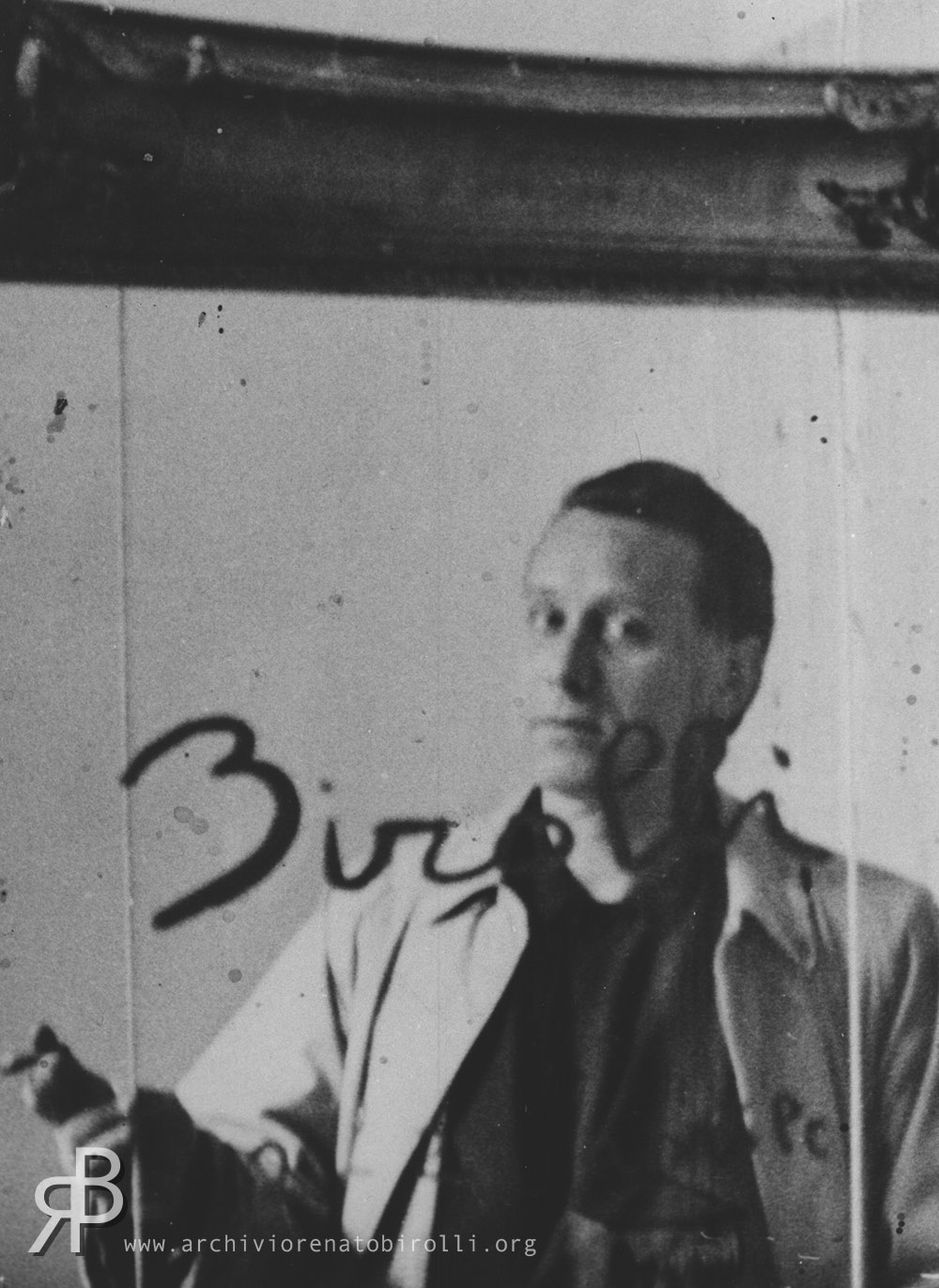
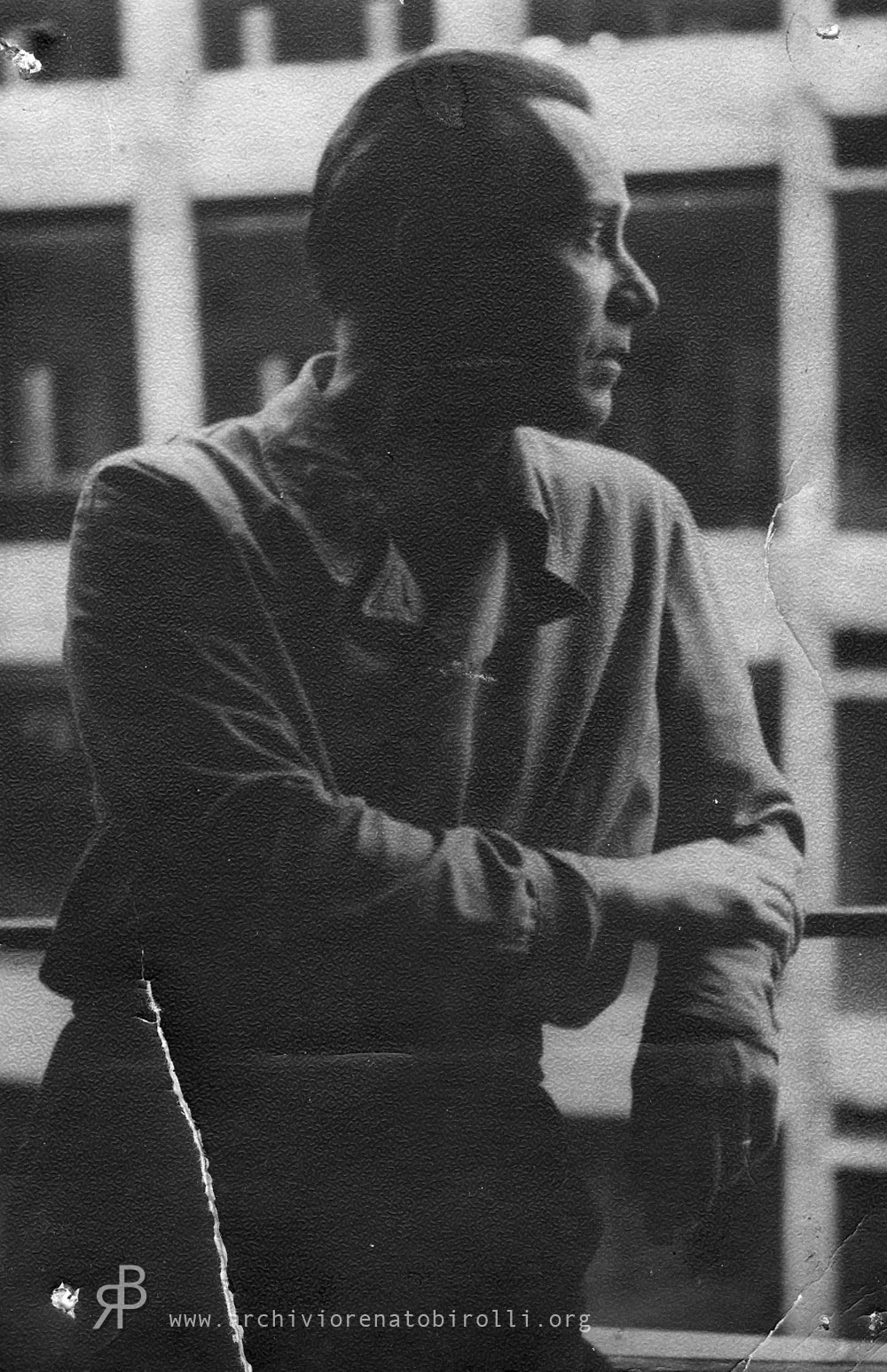
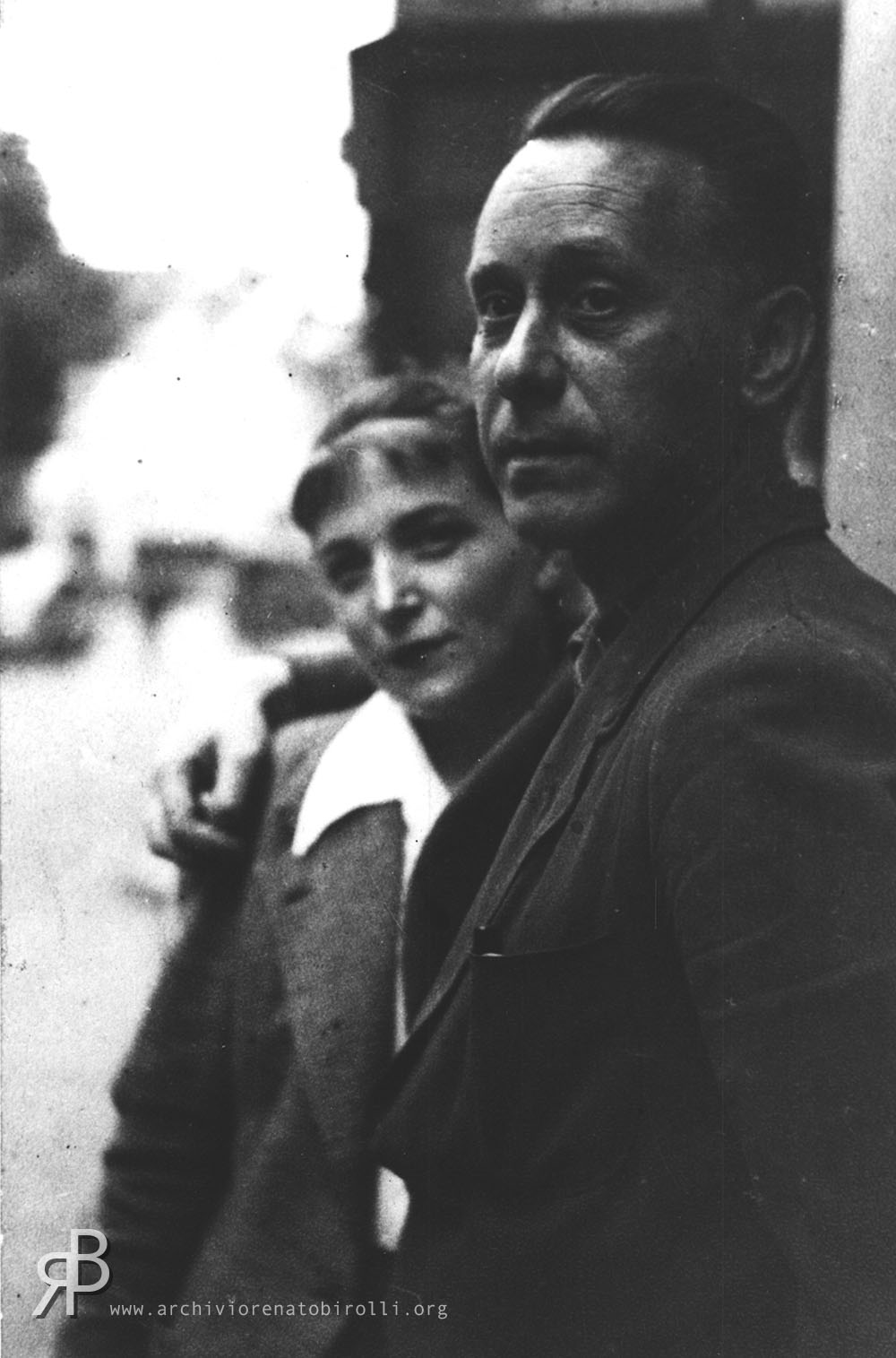
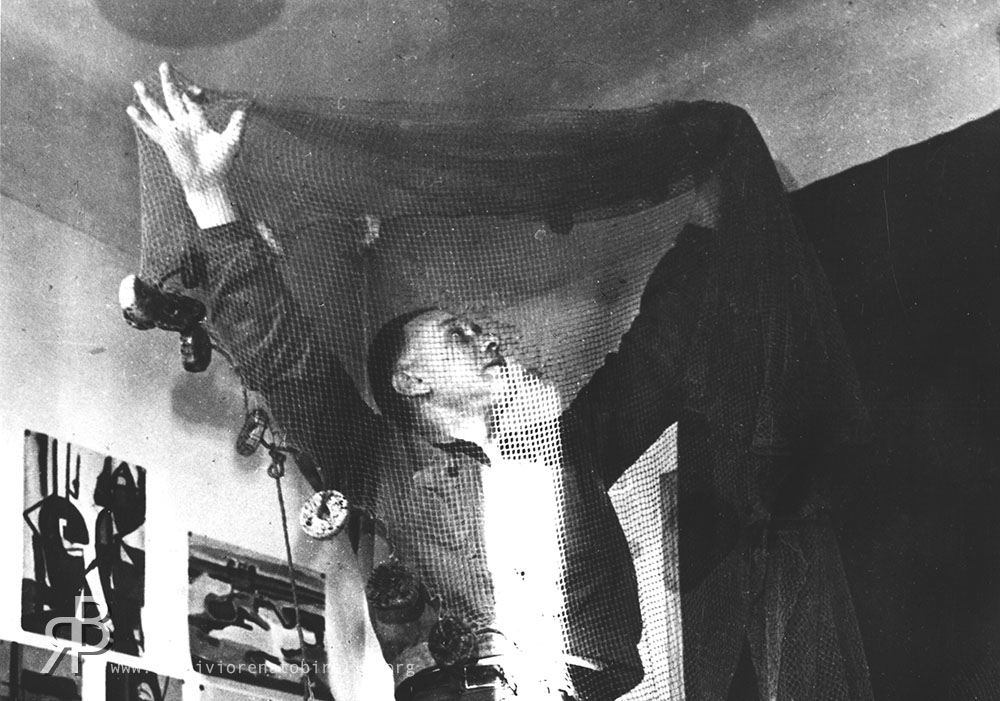
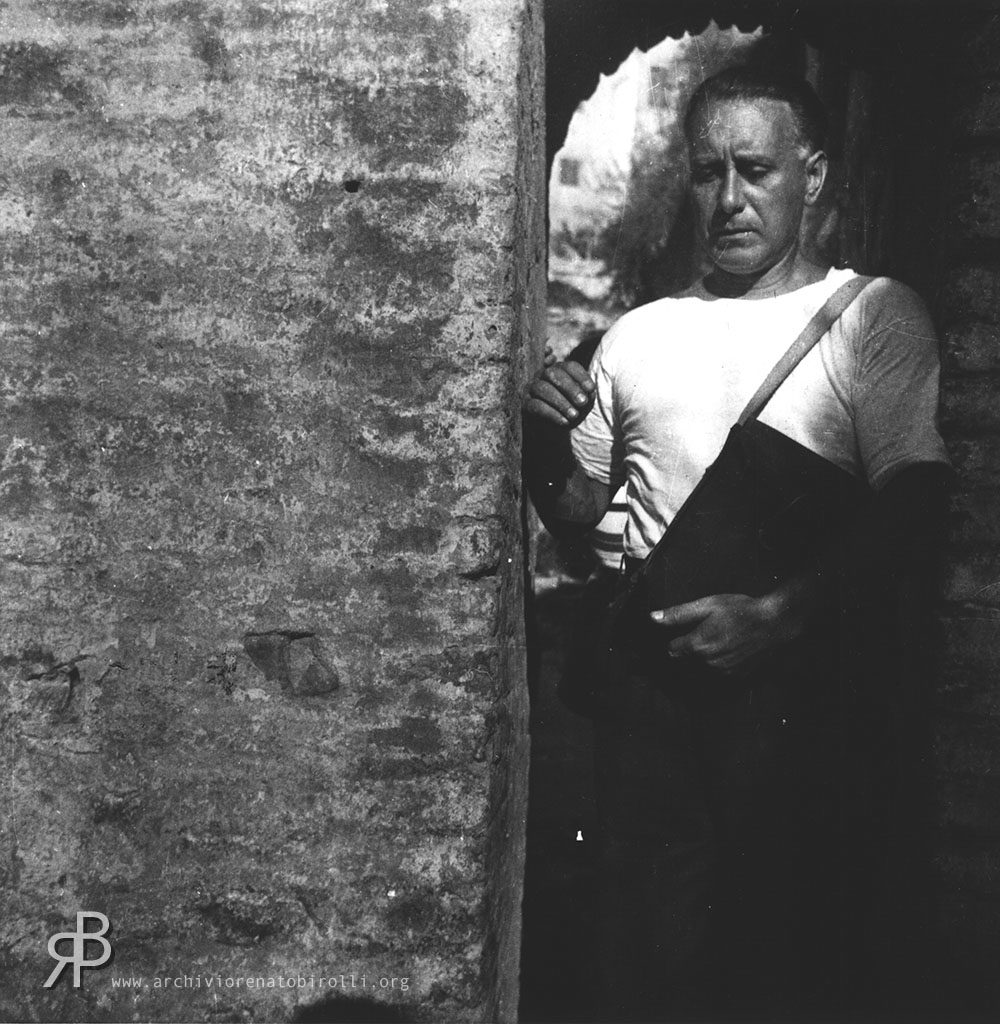
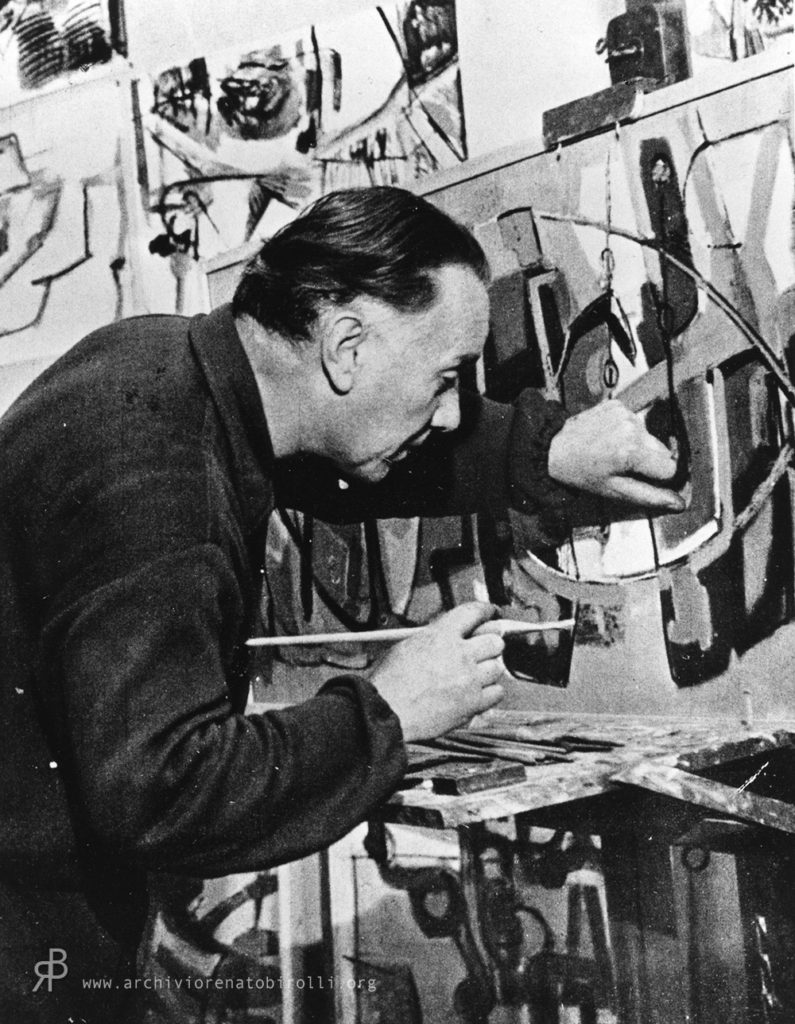
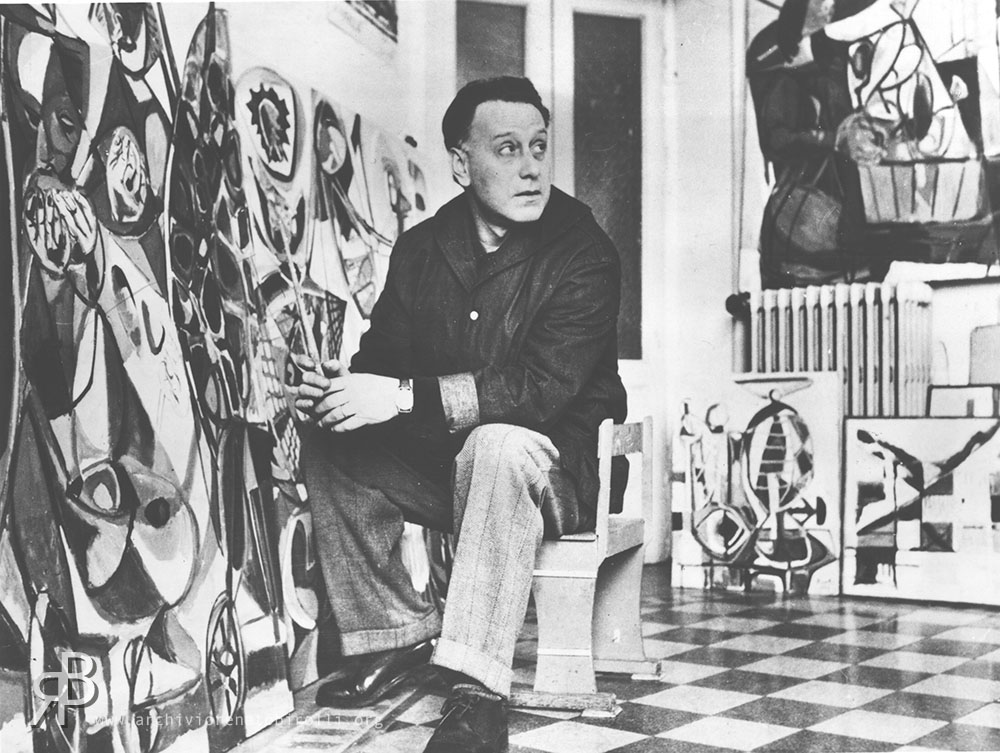
Born in Verona on 10 December 1905, Renato Birolli has been a major figure in Italian painting and cultural debate from the 1930s to the 1960s. A painter, but also an essayist, critic and politically engaged thinker, Birolli spanned three decades of artistic history, developing a body of work at once diverse and remarkably coherent, driven by an exploration of the infinite lyrical possibilities of colour and of the painterly gesture as an act of poetic as well as political freedom.
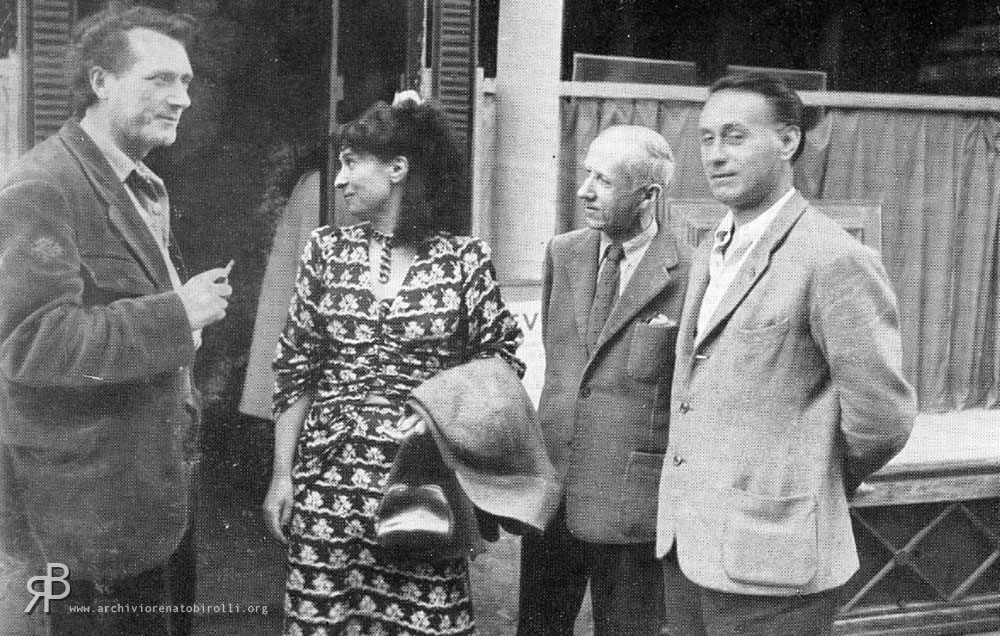
As a young painter in Milan in the early 1930s, Birolli became close to the critic Edoardo Persico, who championed the lessons of Impressionism and Primitivism in opposition to the established conventions of the Novecento Italiano. These were the years of the gatherings at the Craja bar and the Caffè Mokador, as well as of the exhibitions at the Galleria del Milione, where Birolli first exhibited in November 1930.
His Milanese years left behind numerous articles and works such as San Zeno Pescatore (1931) and Il taxi rosso (1932), products of a maniera chiara from which he would soon move away, transforming the chromatic sensibility of his native Veneto into an incandescent lyrical Expressionism, as in Caos (1937).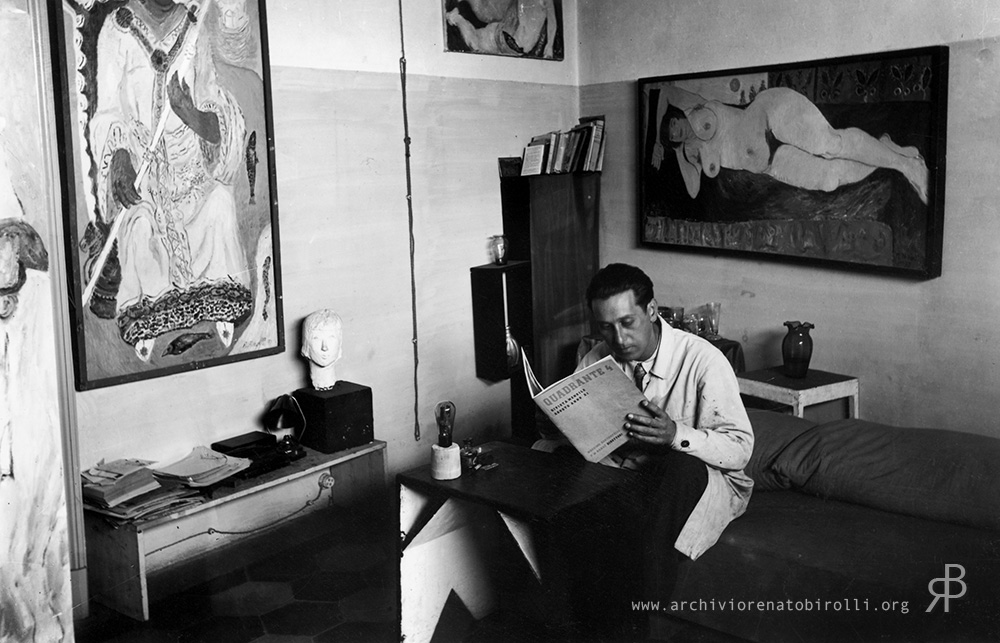
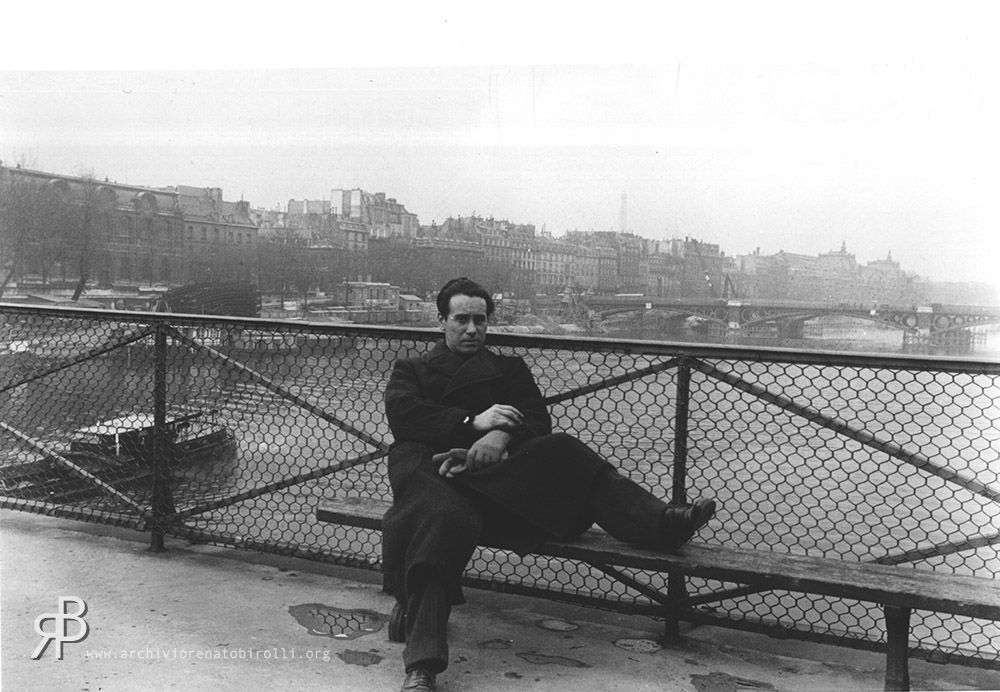
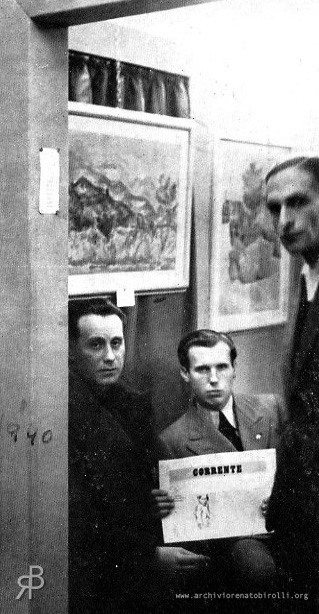
During the second half of the 1930s, his association with the Hermetic poets and his first stay in Paris in 1936, where he studied Delacroix, Renoir, Matisse, Van Gogh and Cézanne, transformed both his way of “dreaming reality” and his understanding of colour.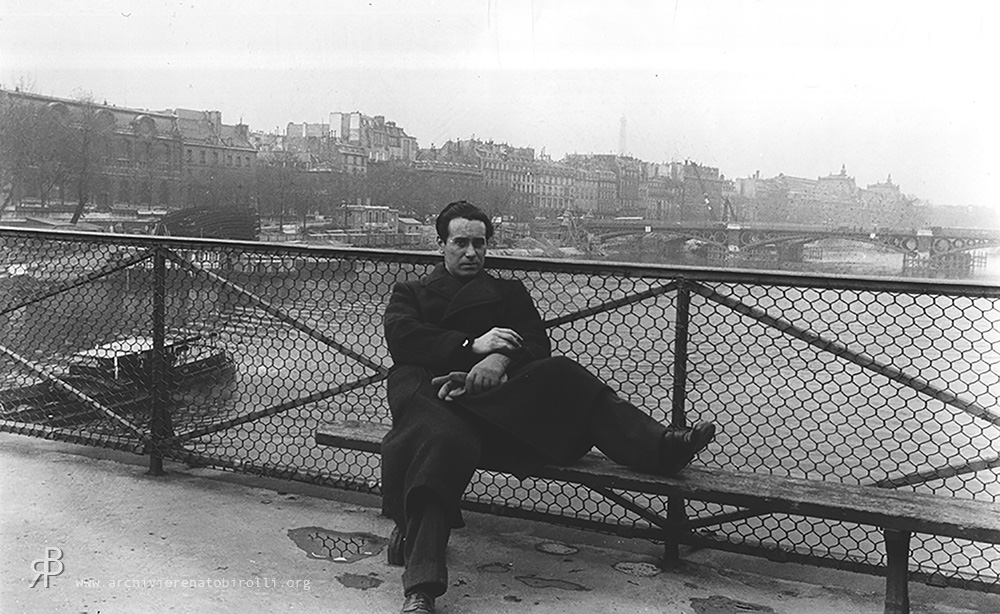 In 1938, he was among the founders of the group and journal “Corrente”, a “monthly review of art, literature and politics” whose activities brought together philosophers, writers, critics and artists including De Grada, Anceschi, Bo, Carrà, Guttuso and Fontana.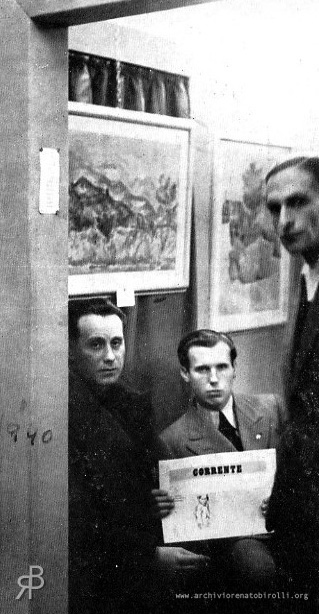
The journal was suppressed by the Fascist authorities in June 1940, but Corrente continued its activities through the Bottega di Corrente gallery, which opened in December 1939 with a solo exhibition devoted to Birolli.
In 1940, he was awarded second prize at the Premio Bergamo. Two years later, he exhibited at the XXIII Venice Biennale from June to September 1942 and held a solo exhibition at the Galleria della Spiga.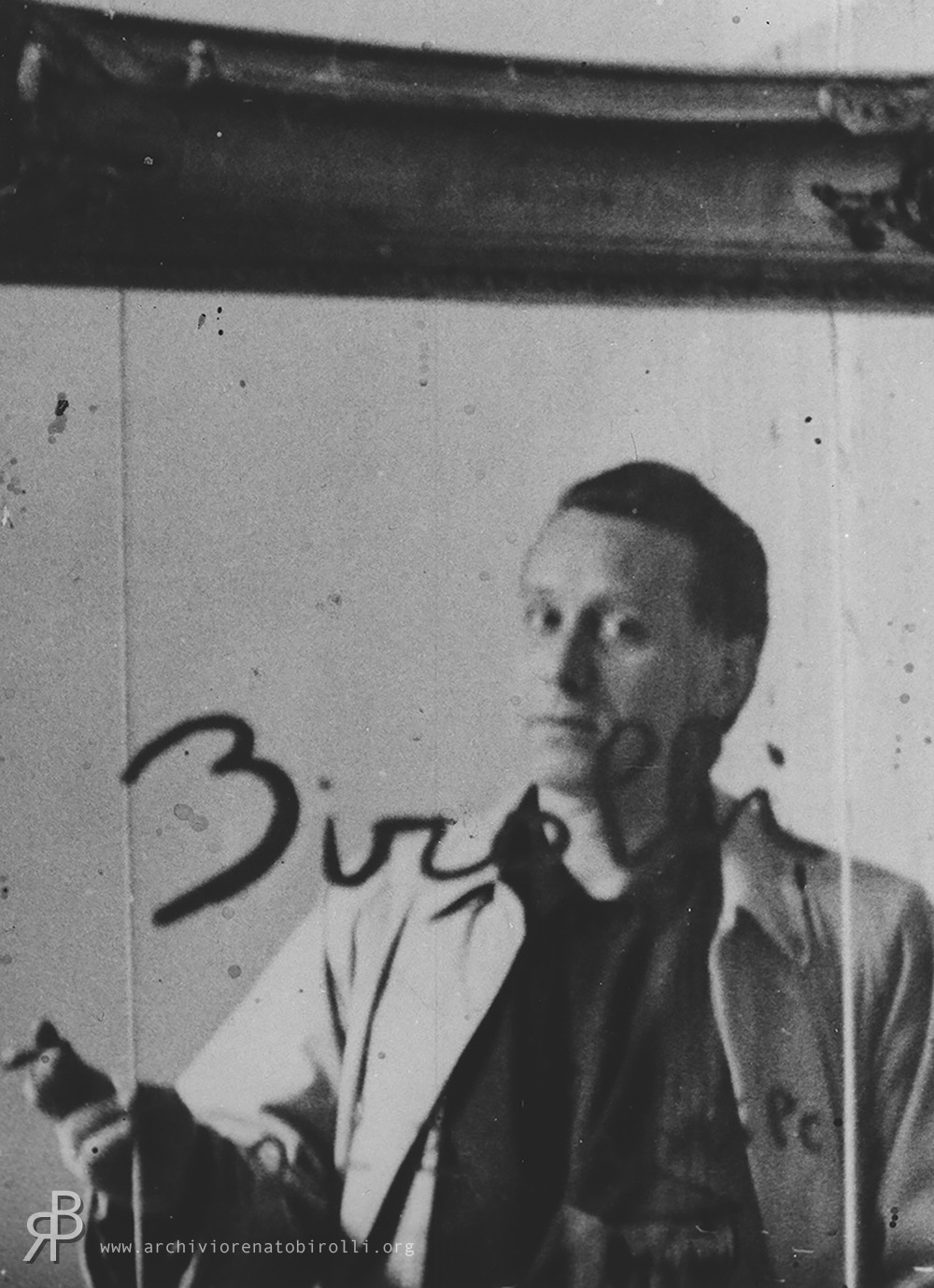
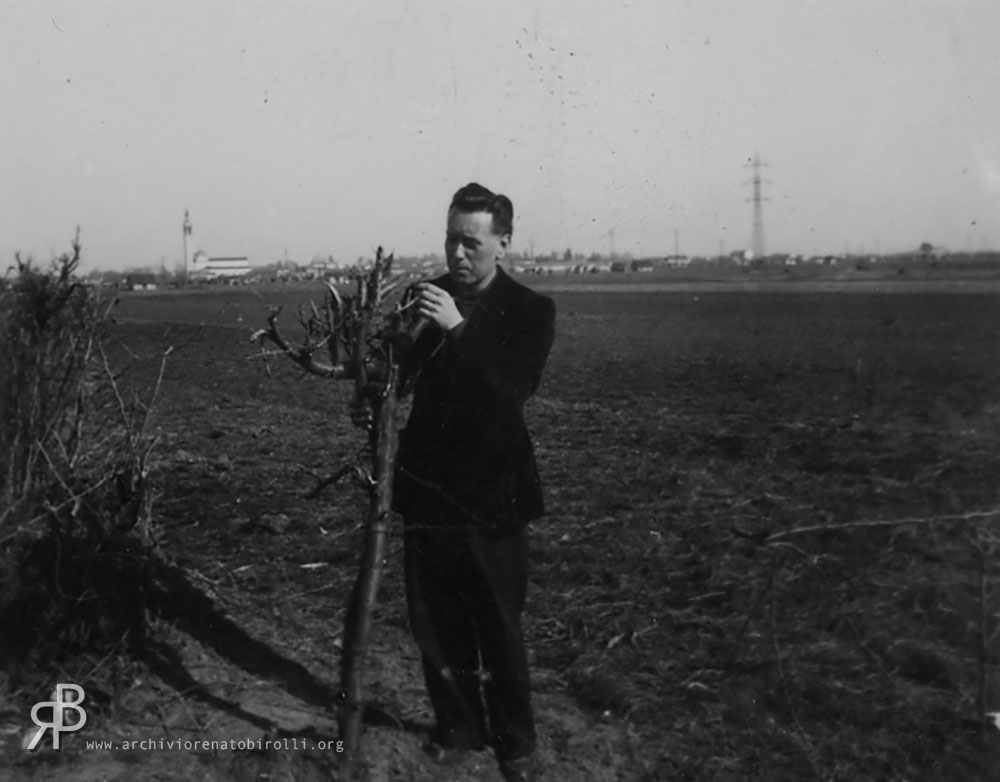
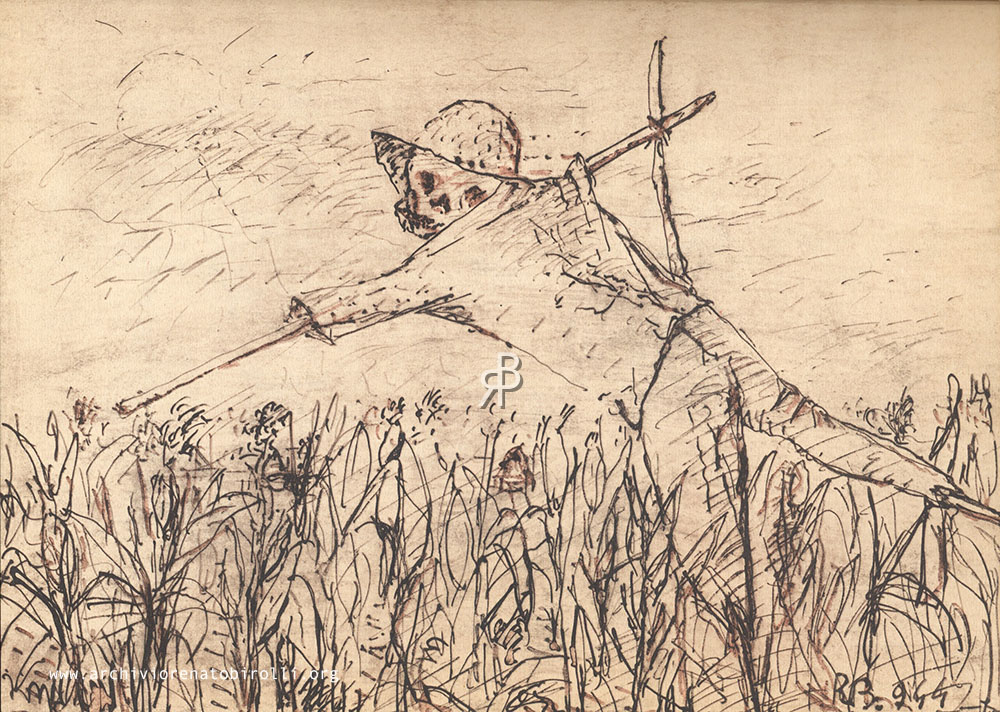
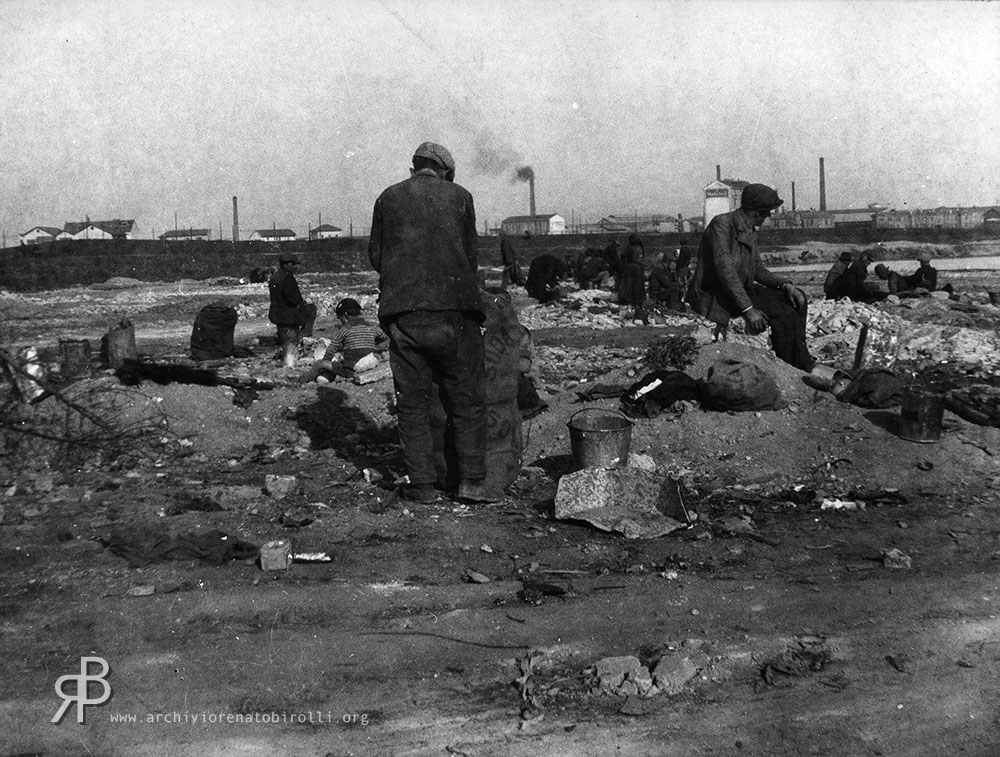
During the war, he and his family were displaced to a farmhouse in Cologno di Melegnano, where he worked on subjects drawn from rural life. His participation in the Resistance in the Lombard countryside is documented by the series of drawings Italia ’44, published by La Conchiglia in 1952.
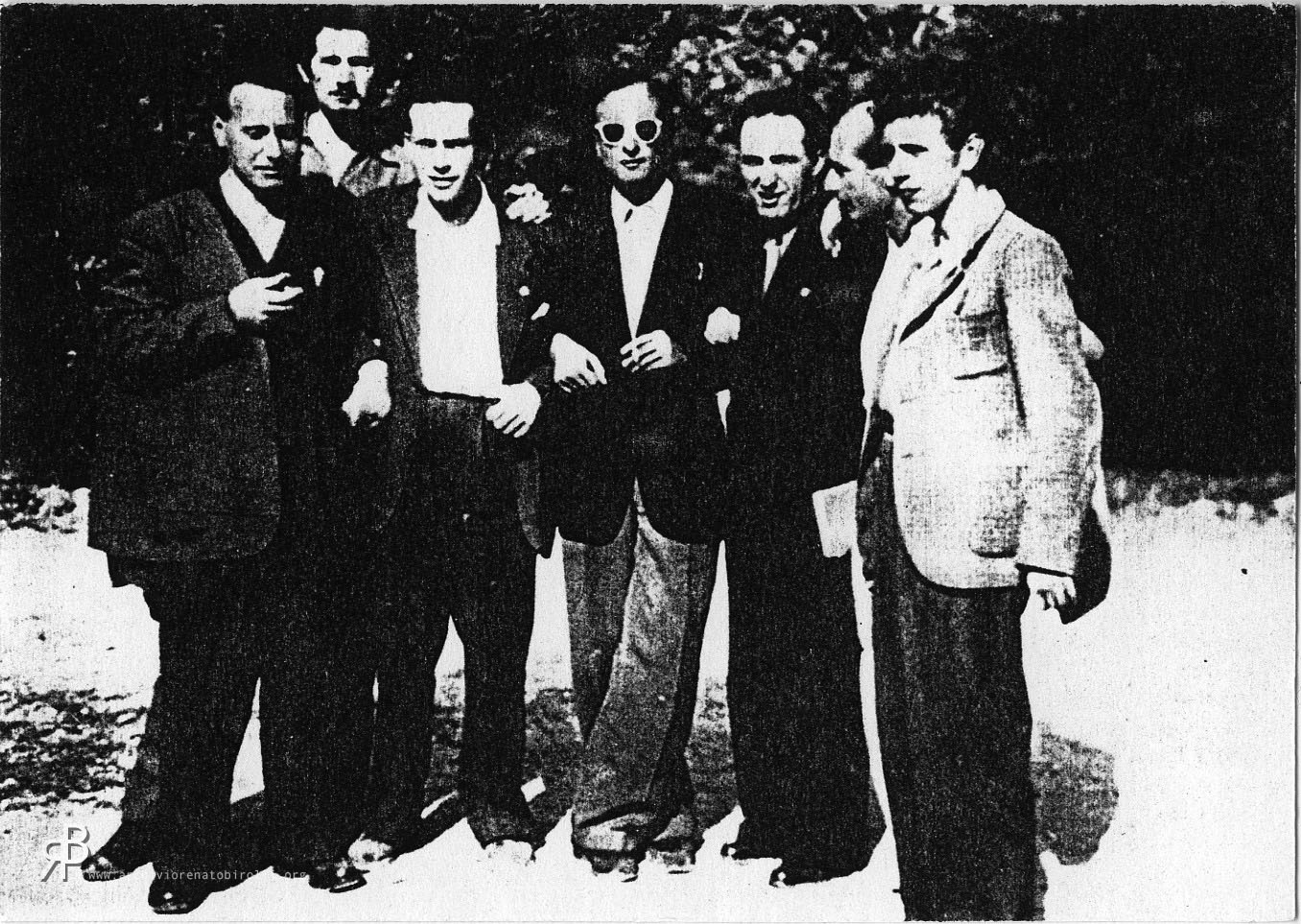
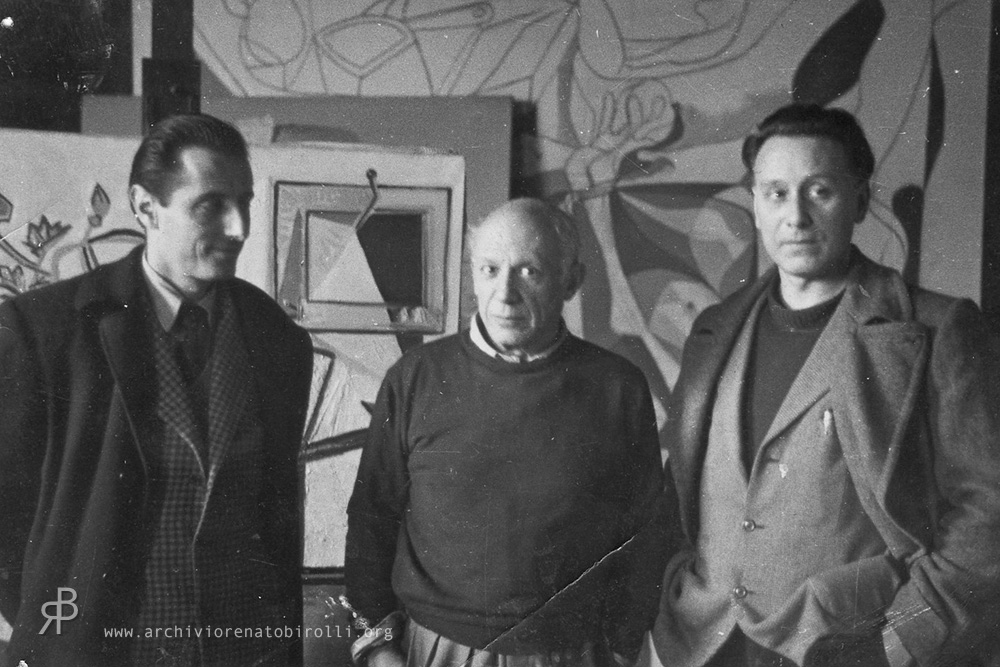
Following the end of the war, he became one of the leading figures behind the Fronte Nuovo delle Arti and returned to Paris in 1947, where he met Picasso and associated with abstract painters of the Nouvelle École de Paris, including Domínguez, Adam and Hartung.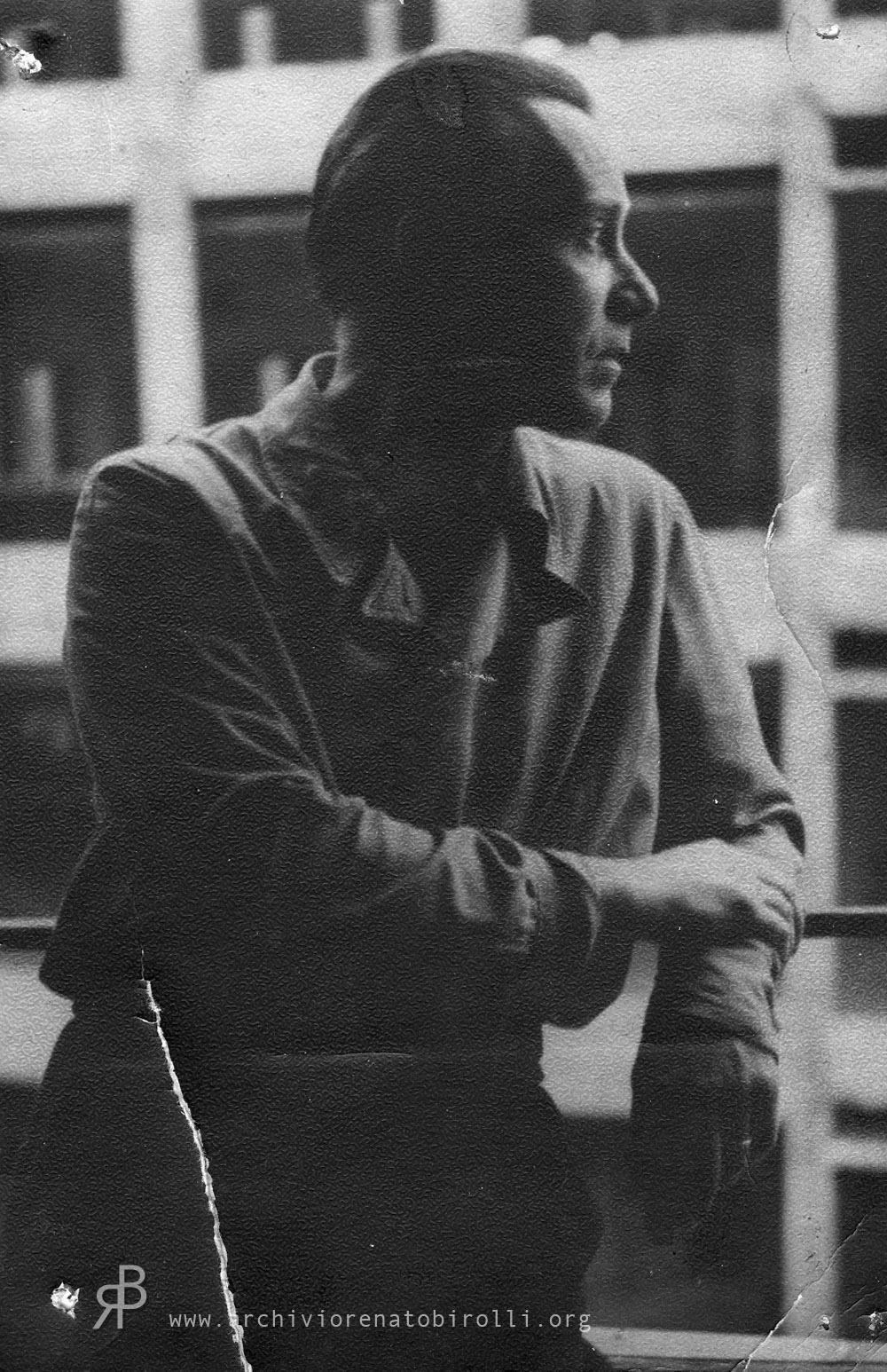
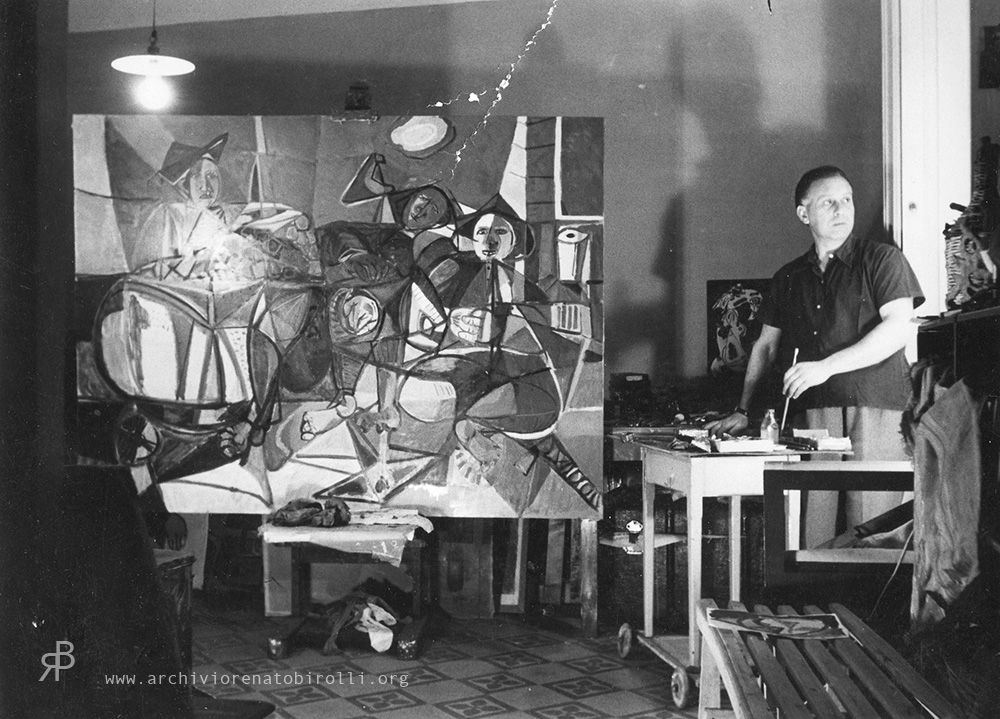
During this period, he held several solo exhibitions in Venice, at the Galleria del Cavallino in 1947, and in Milan, at the Galleria del Milione and the Galleria dell’Annunciata in 1949, presenting the results of his highly personal exploration of French post-Cubist syntax.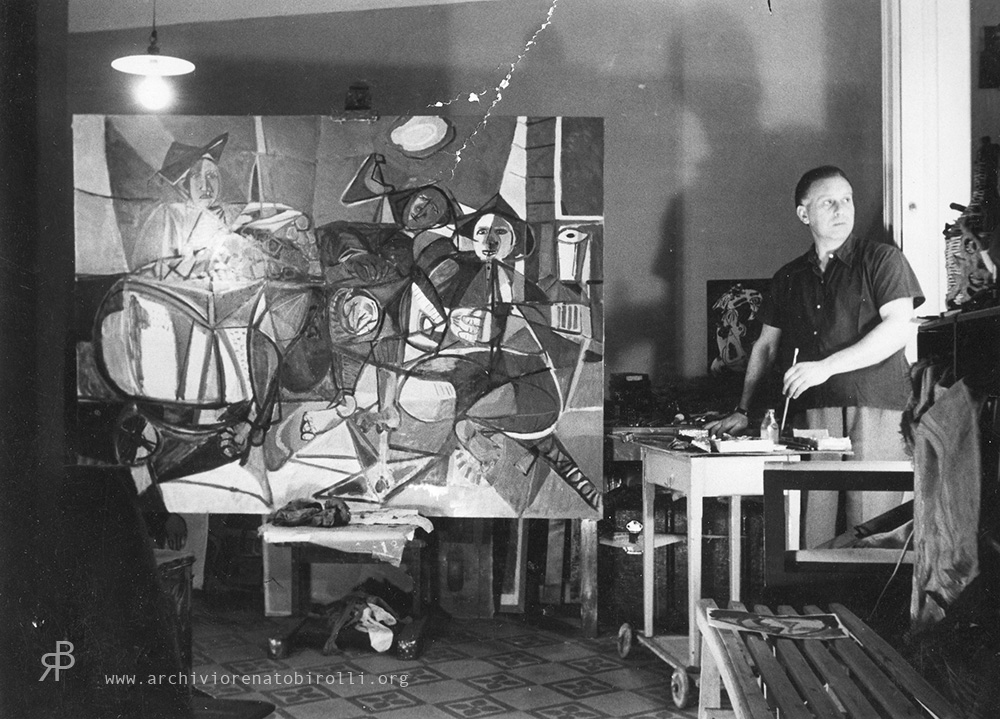
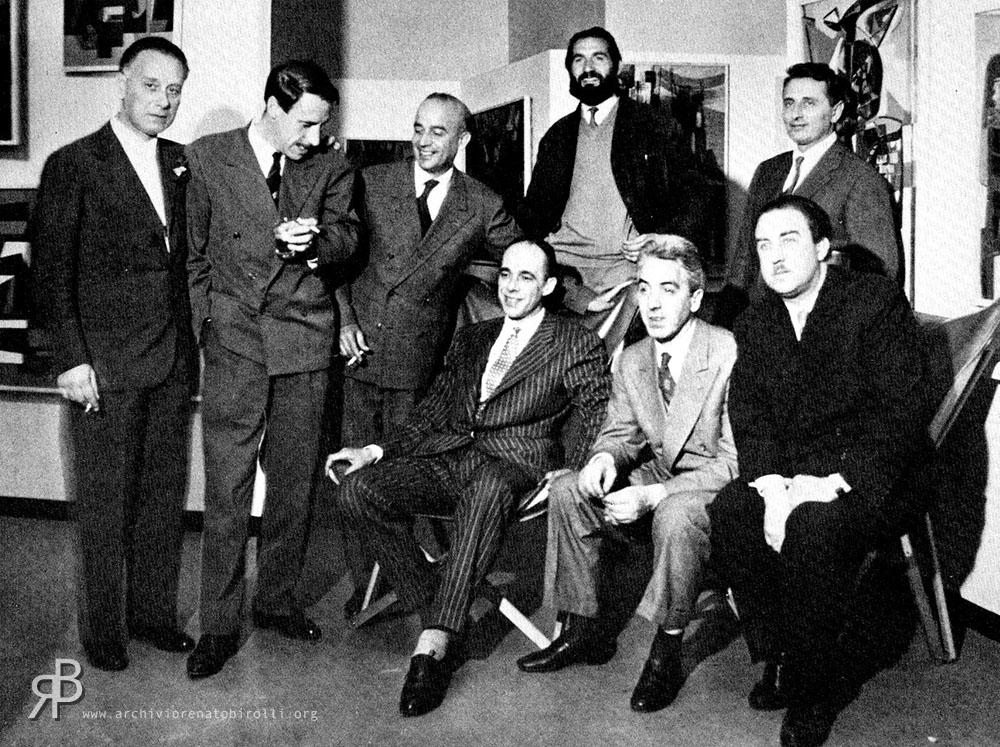
Following the dissolution of the Fronte, he joined the Gruppo degli Otto, presented by Lionello Venturi at the XXVI Venice Biennale in 1952.
At the beginning of the 1950s, Birolli met the American gallerist Catherine Viviano. On 2 January 1951, his first solo exhibition in New York opened at her gallery, followed by two further solo exhibitions at the Catherine Viviano Gallery in 1955 and 1958.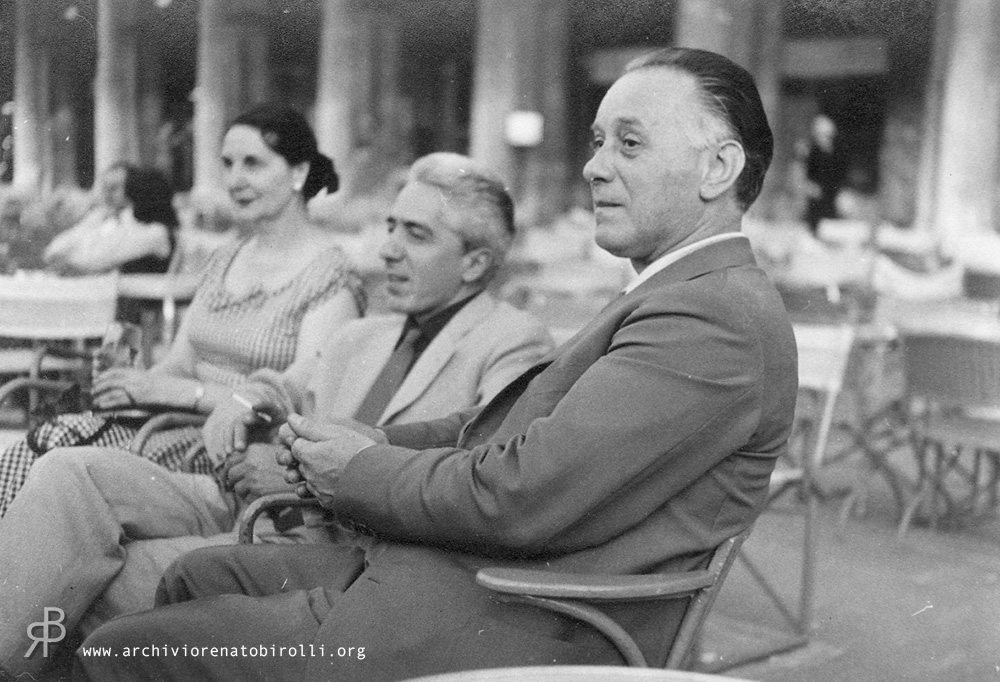
Frustrated by the ideological provincialism of the debate surrounding Neorealism, in which he nevertheless played a prominent part, Birolli spent long periods during the 1950s working in coastal locations including Fosso Sejore in 1953 and 1954, Isola di Porto Buso in 1951, Bocca di Magra in 1952, Manarola in 1955 and 1958, Tellaro in 1956, and Antwerp (Belgium) in 1957.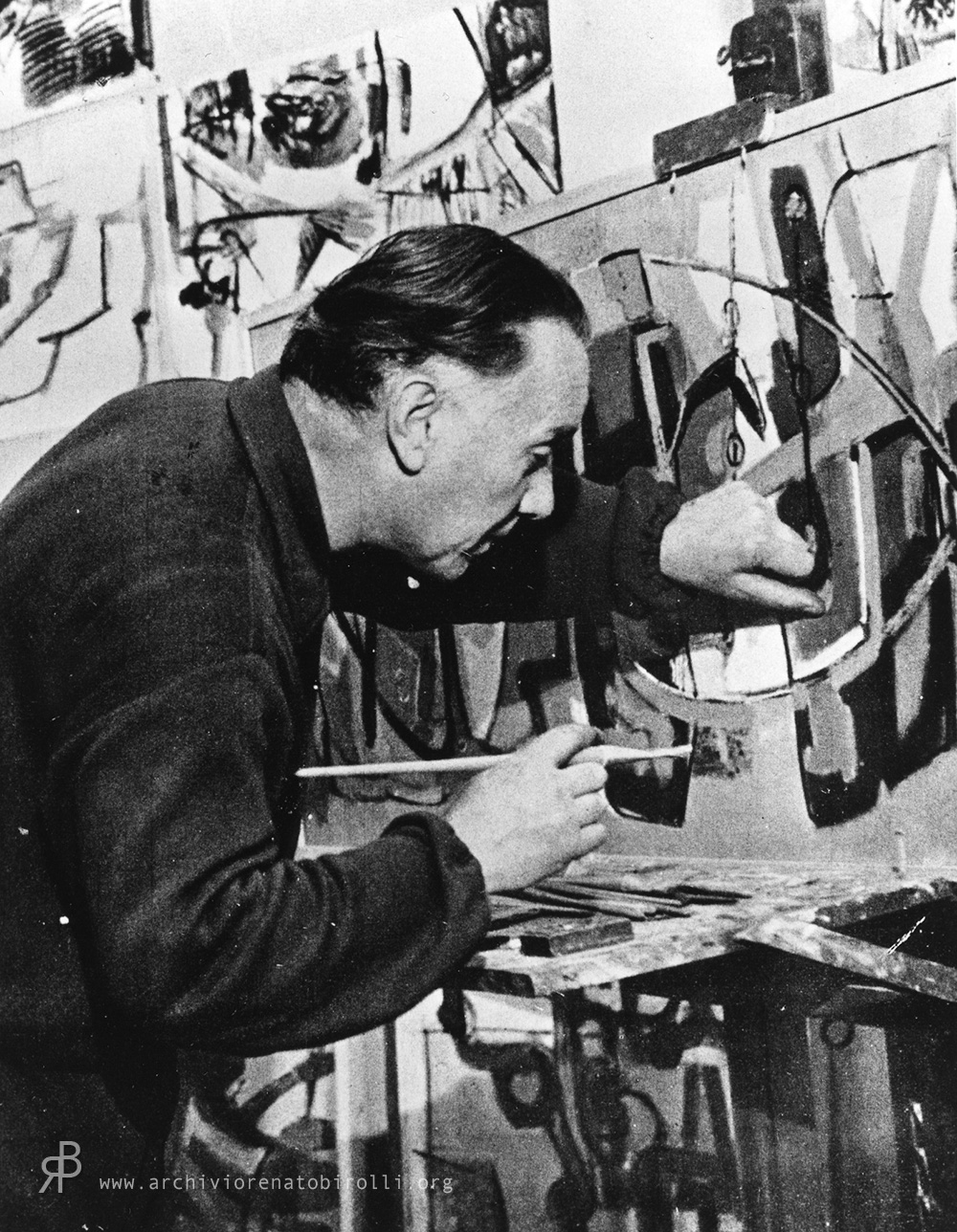
These periods of “immersion in nature”, genuine “physical trials of imaginative escape”, gave rise to the Taccuini delle Marche, the celebrated series of Incendi and Vendemmie delle Cinque Terre (1955-1958), and the Antwerp series I Canti (1957), works in which physical space dissolves into the emotional intensity of colour.
In 1954, he produced a monumental mural decoration for the X Milan Triennale and participated in the XXVII Venice Biennale.
The following year, he took part in the inaugural edition of documenta in Kassel, held from July to September 1955. In 1957, more than one hundred works dating from 1946 to 1957 were included in the exhibition of the Cavellini Collection at the Galleria Nazionale d’Arte Moderna in Rome in May, and subsequently at La Chaux-de-Fonds (Switzerland), in January 1958.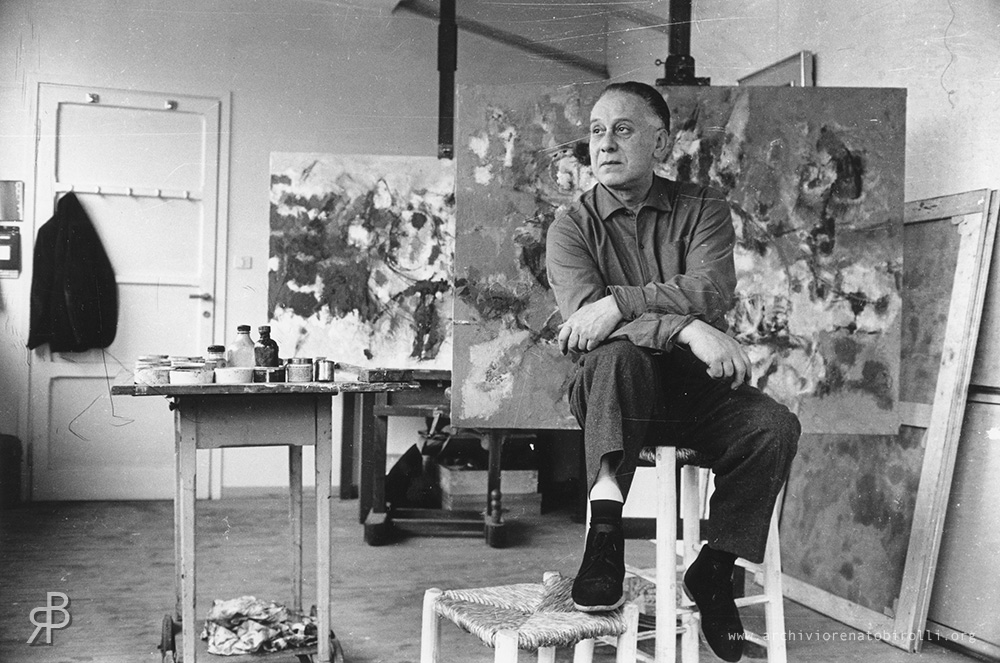
He died of a heart attack on 3 May 1959.
Only a few days later, a solo exhibition opened at the Haus am Waldsee in Berlin, before travelling to numerous German cities between 1959 and early 1960. During the same period, the LIV Biennale di Verona, held from May to June 1959, and the VIII Quadriennale di Roma, held from December 1959 to April 1960, each devoted an individual gallery to his work.
The following year, his Taccuini were published under the editorship of Enrico Emanuelli, while the XXX Venice Biennale devoted a monographic gallery to his work from June to September 1960.
→